
Thinkful vs Bloc: 2026년 Rust 학습을 위한 부트캠프 비교 및 독학 가이드
2026년 Rust 프로그래밍 학습을 위한 Thinkful과 Bloc 부트캠프 비교 분석. 각 플랫폼의 특징, 커리큘럼, 비용 및 효과적인 독학 방법을 상세히 설명합니다.

소유권 시스템을 통해 가비지 컬렉터 없이 메모리 안전성을 보장하는 시스템 프로그래밍 언어입니다. 제로 비용 추상화를 통한 C/C++ 동등 성능, 데이터 레이스 없는 동시성, 신뢰할 수 있는 백엔드 API, WebAssembly, 핵심 시스템 구축을 위한 풍부한 생태계(Cargo, crates.io)를 제공합니다.
컴파일 시점에 메모리 안전성을 보장하는 소유권 시스템 (가비지 컬렉터 없음)
제로 비용 추상화와 저수준 제어를 통한 C/C++ 성능
타입 시스템 (Send, Sync traits)을 통한 데이터 레이스 없는 동시성
표현력 있는 pattern matching, 강력한 enums, Result<T, E>를 활용한 에러 처리
의존성 관리, 빌드, 통합 테스트를 위한 Cargo
Tokio 또는 async-std를 활용한 논블로킹 I/O를 위한 Async/await
REST API를 위한 현대적 웹 프레임워크 (Axum, Actix-web, Rocket)
traits, generics, lifetimes, 타입 추론을 갖춘 강한 타입 시스템
포괄적인 테스트 (unit tests, integration tests, doc tests, property-based)
WebAssembly 퍼스트 클래스 지원, 크로스 컴파일, 최적화된 바이너리
이 기술을 이해하고 면접에서 성공하기 위한 가장 중요한 개념
Rust 기초: 변수 (let, mut), 기본 타입, 함수, 모듈
소유권: move semantics, borrowing, 참조 (&, &mut), lifetimes
Borrowing 규칙: 하나의 &mut 또는 여러 &, 댕글링 참조 없음
Structs, enums, pattern matching, destructuring
Traits: 정의, 구현, trait bounds, derive macros
Generics: 제네릭 함수, structs, trait bounds를 가진 enums
Lifetimes: 주석 ('a), lifetime elision, static lifetime
에러 처리: Result<T, E>, Option<T>, ? 연산자, panic vs Result
컬렉션: Vec, HashMap, HashSet, 이터레이터와 메서드 (map, filter, collect)
이터레이터: Iterator trait, 지연 평가, combinators, for 루프
소유권 패턴: Clone vs Copy, Rc/Arc, 내부 가변성을 위한 RefCell/Mutex
동시성: 스레드, Arc<Mutex<T>>, channels (mpsc), Send/Sync traits
Async/await: Future trait, async fn, .await, Tokio runtime, async tasks
Axum/Actix-web: routing, handlers, extractors, middleware, 상태 관리
데이터베이스: sqlx (컴파일 시점 체크), Diesel ORM, 비동기 쿼리
직렬화: serde (Serialize, Deserialize), JSON, derive macros
테스트: #[test], #[cfg(test)], assert!, integration tests, mocking
매크로: 선언적 매크로 (macro_rules!), 절차적 매크로, derive
메모리 안전성: null 포인터 없음, 버퍼 오버플로우 없음, 스레드 안전성
성능: 제로 비용 추상화, inlining, LLVM 최적화, profiling
Cargo: 의존성 (Cargo.toml), features, workspaces, build scripts
배포: 크로스 컴파일, Docker, 정적 바이너리, release profiles
하루 한 개의 코드. 버그를 찾거나, 버그가 없음을 증명하세요.
정규직과 프리랜서, 국가, 원격, 공개된 경우 급여까지. 매일 업데이트, 구독자 전용.
Rust에 관한 최신 기사와 가이드를 확인하세요
2026년 Rust 프로그래밍 학습을 위한 Thinkful과 Bloc 부트캠프 비교 분석. 각 플랫폼의 특징, 커리큘럼, 비용 및 효과적인 독학 방법을 상세히 설명합니다.
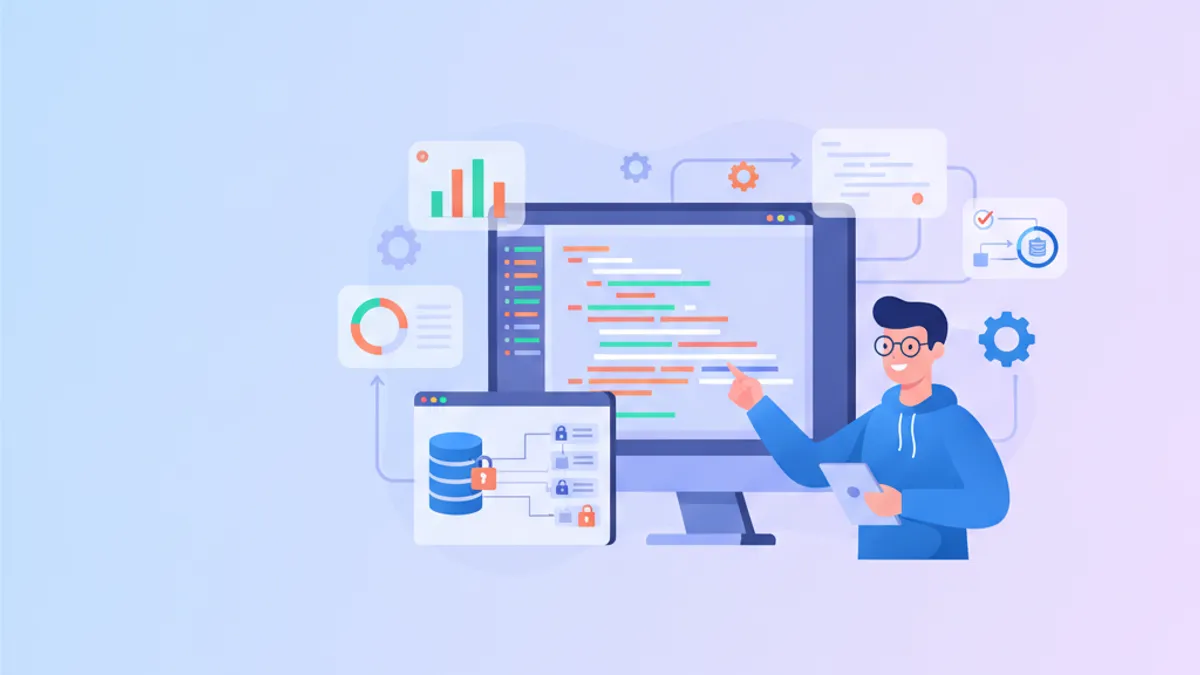
Rust와 SQLx를 활용한 컴파일 타임 SQL 검증 구현 방법을 설명합니다. 타입 안전한 데이터베이스 접근, ORM 비교, 기술 면접 빈출 질문과 답변 예시를 다룹니다.
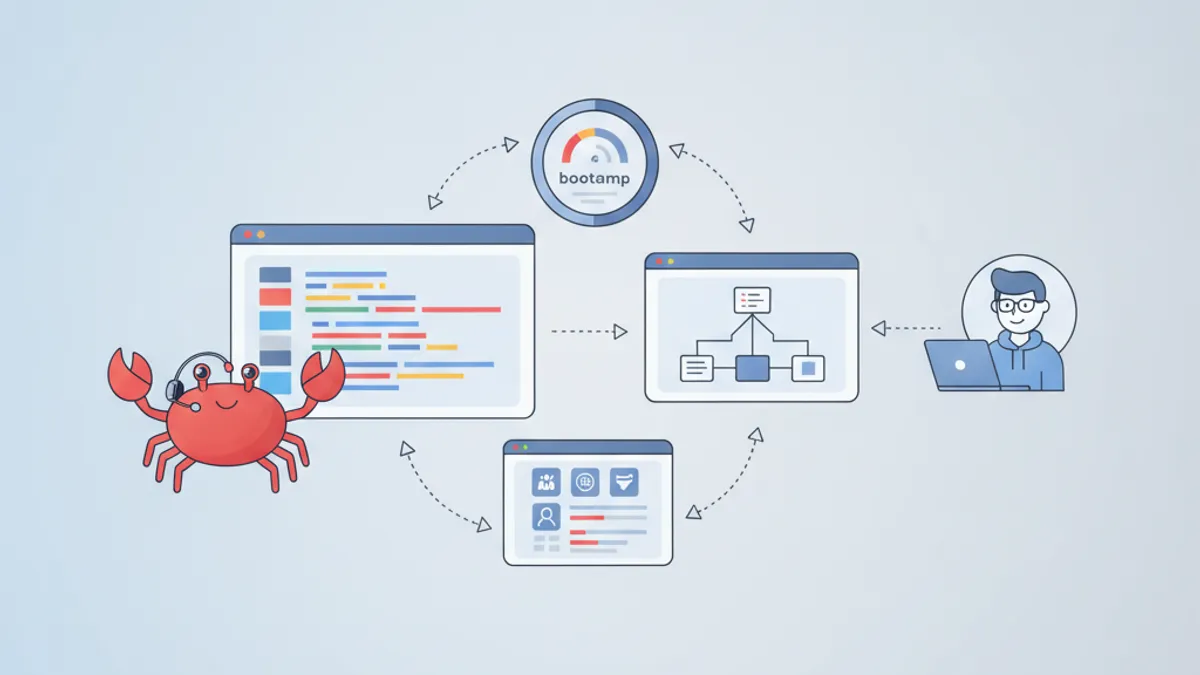
2026년에 Rust를 배우기 위한 최적의 방법을 상세히 분석합니다. Thinkful, Bloc 등 부트캠프를 비교하고 독학 리소스도 종합적으로 소개합니다.