1
Ruby: blocks, procs, lambdas, symbols, metaprogramming, modules and mixins
2
Rails architecture: MVC pattern, config/routes.rb, autoloading, Zeitwerk
3
Active Record: models, associations (has_many, belongs_to, has_and_belongs_to_many)
4
AR validations: presence, uniqueness, custom validators, validation contexts
5
AR callbacks: before_save, after_create, around_update, lifecycle hooks
6
Migrations: create_table, add_column, change_column, rollback, schema.rb
7
Routing: resources, nested routes, namespaces, constraints, route helpers
8
Controllers: params, strong parameters, filters (before_action), respond_to
9
Views: ERB templates, partials, helpers, layouts, content_for/yield
10
Active Record Query: where, joins, includes, preload, eager_load (N+1 prevention)
11
Rails API mode: API-only applications, serializers (ActiveModel::Serializers, jbuilder)
12
Authentication: Devise gem, has_secure_password, session management, cookies
13
Authorization: Pundit gem, CanCanCan, policies, role-based access control
14
Action Cable: channels, streams, broadcasting, WebSocket connections
15
Active Job: perform_later, queue adapters (Sidekiq), job priorities, retry logic
16
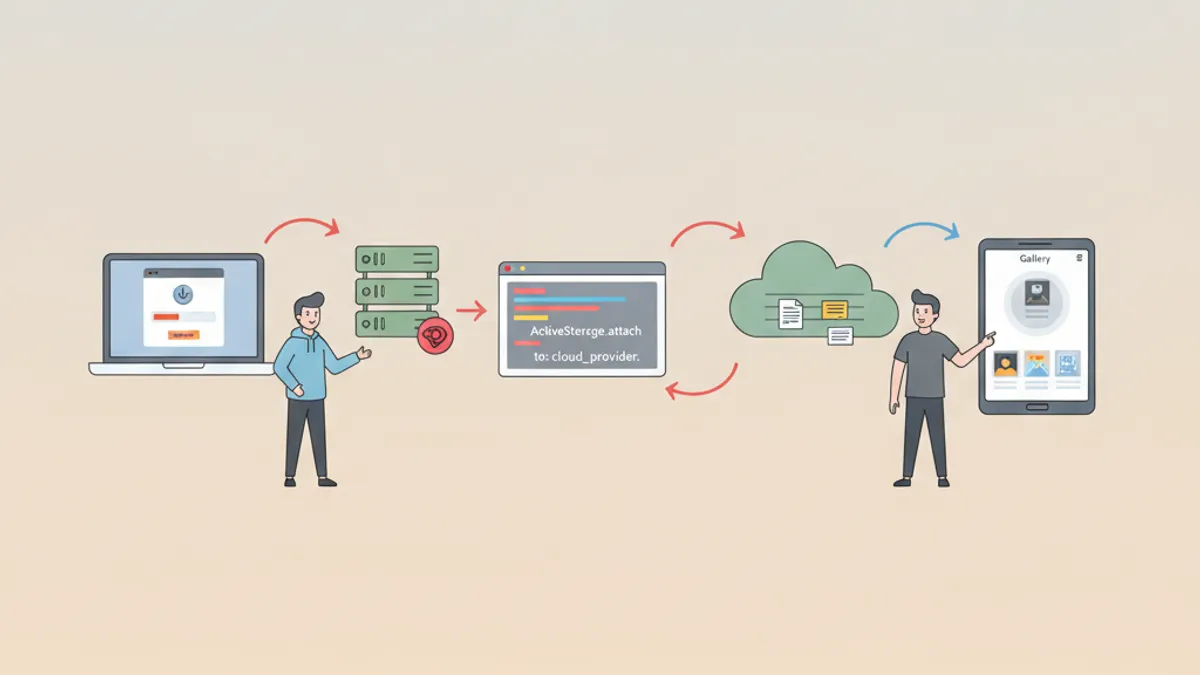
Active Storage: attachments (has_one_attached, has_many_attached), variants, direct uploads
17
Testing: RSpec (describe, context, it), FactoryBot, fixtures, request specs, system tests
18
Concerns: ActiveSupport::Concern, code reusability, module composition
19
Rails engines: mountable engines, namespacing, gem development
20
Performance: fragment caching, Russian doll caching, query optimization, bullet gem
21
Security: CSRF protection, SQL injection prevention, mass assignment protection (strong params)
22
Deployment: Capistrano, Heroku, Docker, Puma/Unicorn servers, assets pipeline