Blog

Discover our expert articles to master technologies and ace your technical interviews

Rust traits and generics advanced guide with code patterns and crab logo
BACKEND

Rust Traits and Generics in 2026: Trait Upcasting, AsyncFn and Advanced Patterns

Master Rust traits and generics with the latest 2024 Edition features: trait upcasting, AsyncFn closures, RPITIT, and advanced patterns tested in real interviews.
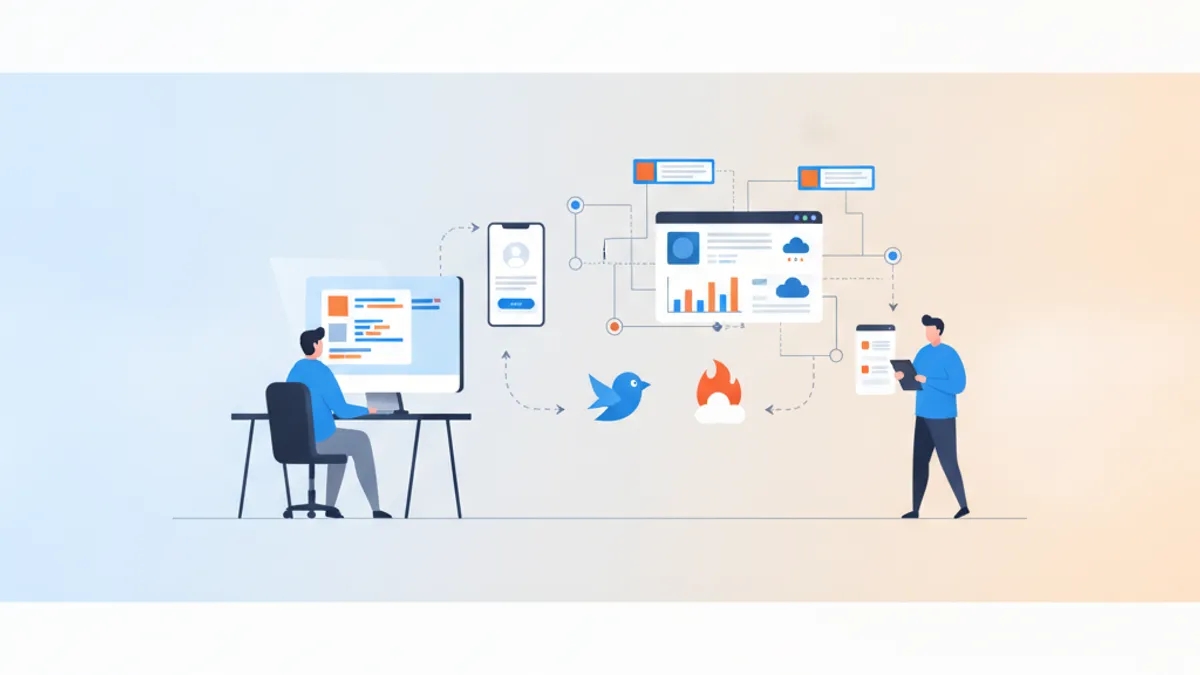
Flutter and Firebase integration showing authentication and Firestore database architecture
MOBILE

Flutter and Firebase in 2026: Authentication, Firestore and Interview Questions

Flutter Firebase deep dive covering authentication with firebase_auth, Firestore CRUD and real-time streams, security rules, and common interview questions with code examples.

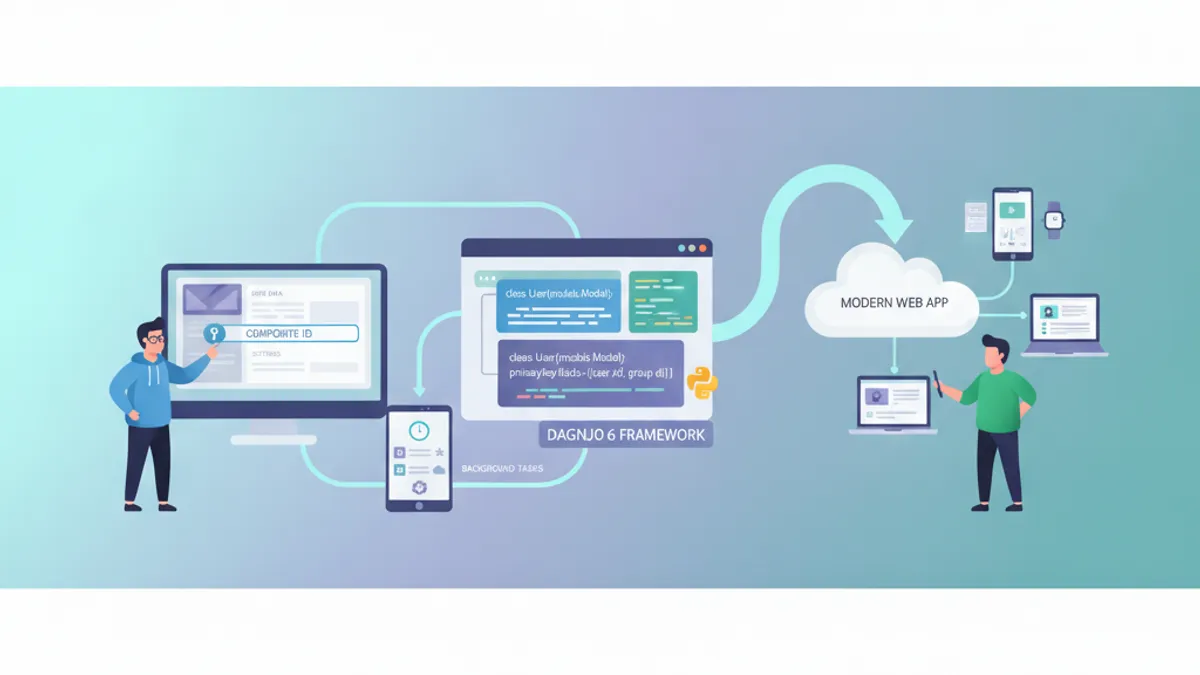
Django 6 composite primary keys and background tasks tutorial
BACKEND

Django 6.0 in 2026: Composite Primary Keys, Background Tasks and Interview Questions

Complete guide to Django's latest features: composite primary keys from Django 5.2, the built-in background tasks framework in Django 6.0, template partials, CSP middleware, and common interview questions.

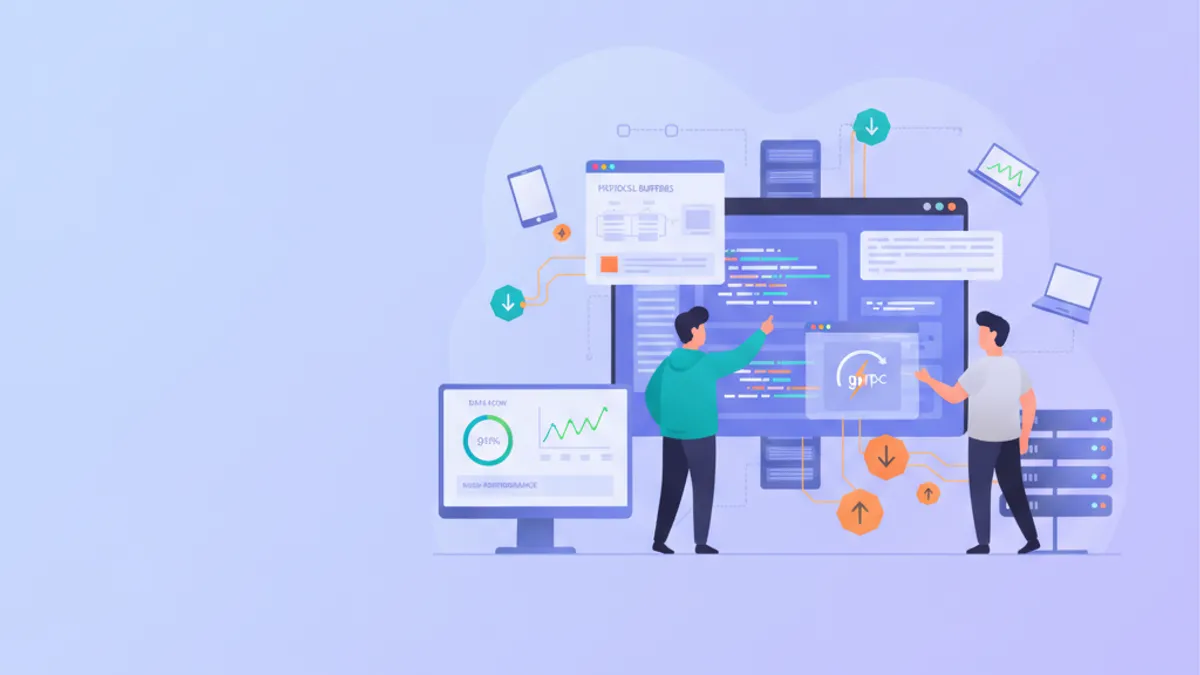
Go gRPC microservices illustration showing high-performance server communication with protocol buffers
BACKEND

Go and gRPC in 2026: High-Performance Microservices and Interview Questions

Deep dive into gRPC with Go in 2026. Protocol Buffers, unary and streaming RPCs, interceptors, production-grade patterns, and common interview questions for backend engineers.

.NET 10 new features and Native AOT improvements in 2026
BACKEND

.NET 10 in 2026: New Features, Native AOT and C# 14 for Interview Preparation

.NET 10 ships as a long-term support release with Native AOT improvements, C# 14 extension members, the field keyword, and file-based apps. A complete guide covering new features, performance gains, and interview-ready knowledge for .NET developers in 2026.

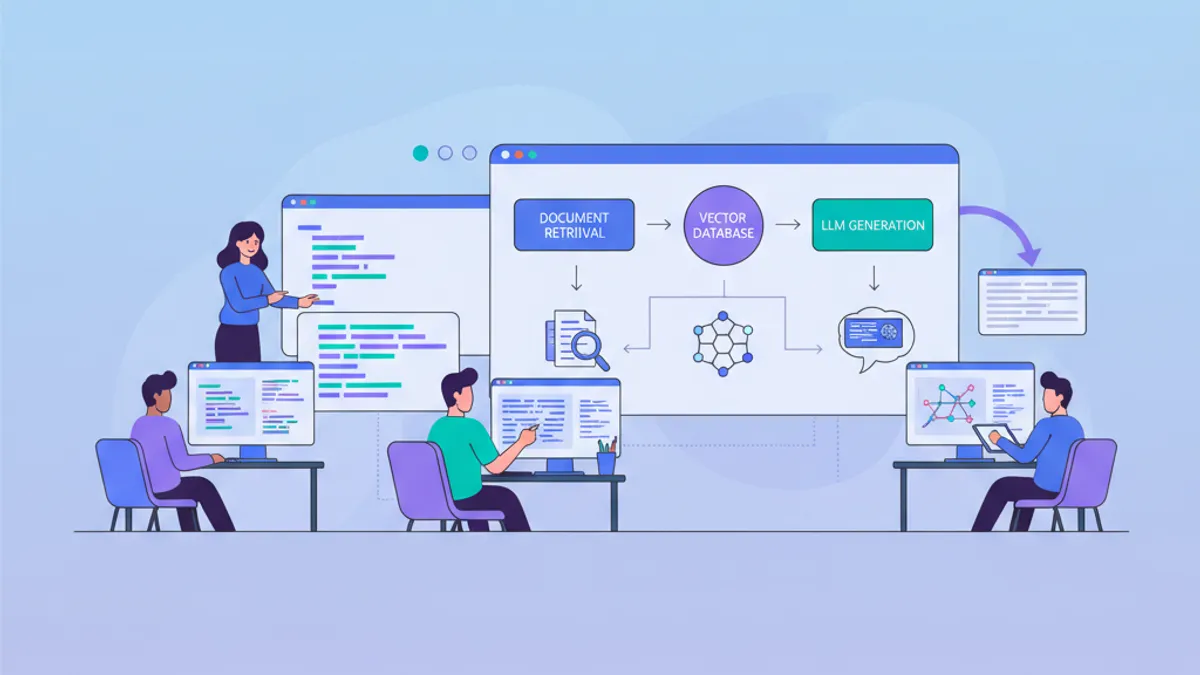
RAG retrieval-augmented generation pipeline architecture with vector database and LLM
DATA

RAG and LLMs in 2026: Retrieval-Augmented Generation for Data Science Interviews

Retrieval-Augmented Generation (RAG) explained for data science interviews in 2026. Covers vector databases, chunking strategies, embedding models, agentic RAG, Graph RAG, and production-ready pipeline architecture.