React / Next.js

Recent React / Next.js articles

FRONTEND
10 articles

Discover our latest articles and guides on React / Next.js

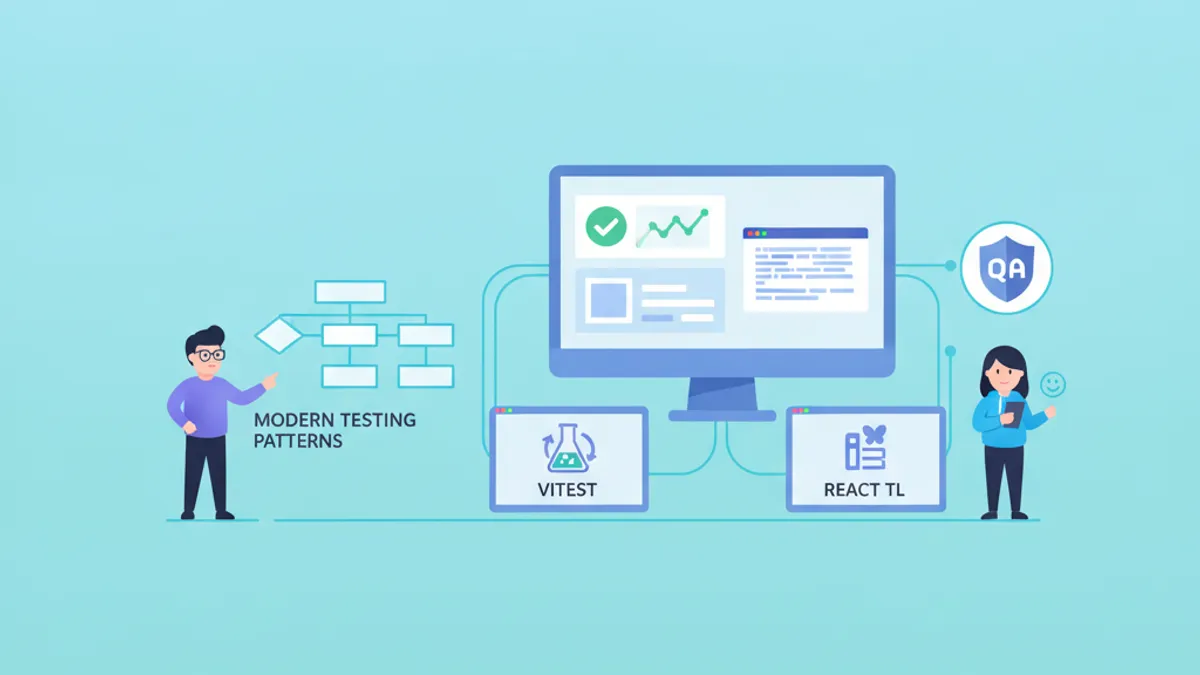
React Testing in 2026 with Vitest and React Testing Library workflow diagram
FRONTEND

React Testing in 2026: Vitest, React Testing Library and Best Practices

Master React testing with Vitest and React Testing Library. Learn component testing patterns, async handling, mocking strategies, and interview-ready best practices for 2026.

Zustand vs Redux Toolkit comparison for React state management in 2026
FRONTEND

Zustand vs Redux Toolkit in 2026: Which React State Manager to Choose?

A practical 2026 comparison of Zustand 5 and Redux Toolkit 2.x for React state management: setup, async data fetching with RTK Query, performance, and interview questions.

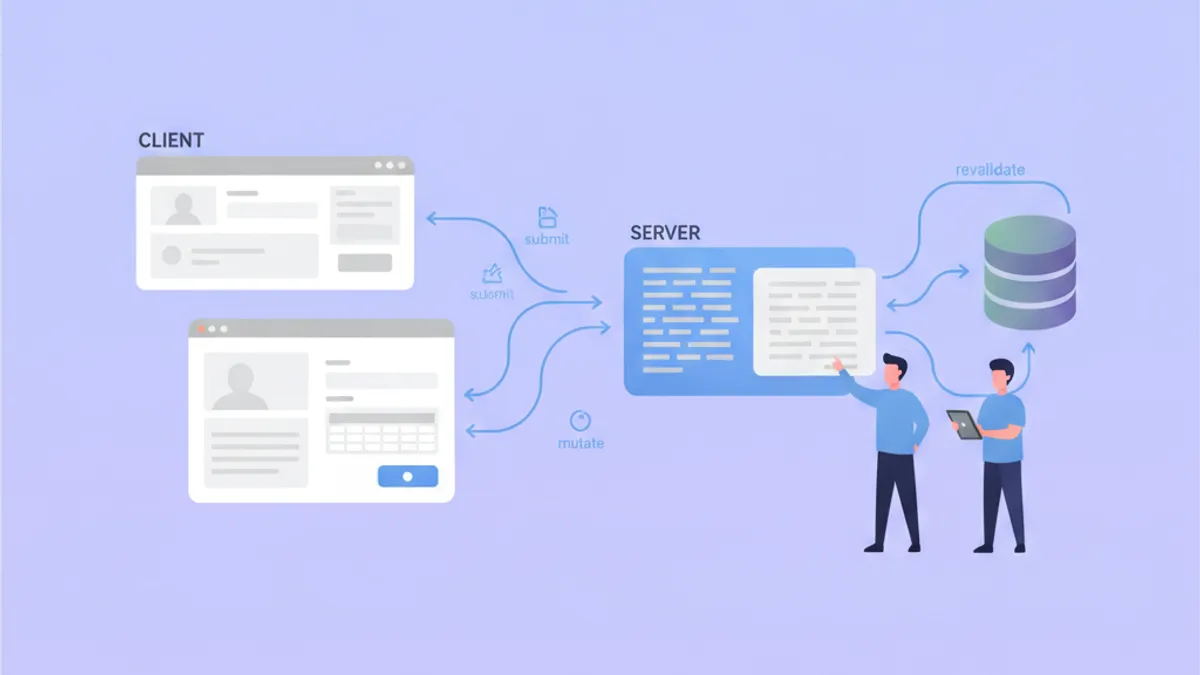
Next.js Server Actions mutations and revalidation flow diagram
FRONTEND

Next.js 16 Server Actions in 2026: Mutations, Revalidation and Interview Questions

How Next.js 16 Server Actions handle mutations, revalidation, pending state, optimistic UI, and security, with the interview questions that test each concept.

Diagram of React 19.2 useEffectEvent and Activity API architecture
FRONTEND

React 19 useEffectEvent and Activity: New APIs and Interview Questions 2026

Deep dive into React 19.2 useEffectEvent and Activity component. Stale closure solutions, background pre-rendering, code examples, and interview questions.

Next.js 16 Cache Components with use cache directive and Partial Pre-Rendering
FRONTEND

Next.js 16 Cache Components in 2026: use cache, PPR and Interview Questions

Deep dive into Next.js 16 Cache Components: the use cache directive, Partial Pre-Rendering (PPR), cacheLife, cacheTag, and real interview questions for senior developers.

React Compiler automatic memoization and interview questions for 2026
FRONTEND

React Compiler in 2026: Automatic Memoization and Interview Questions

Master React Compiler interview questions for 2026. Covers automatic memoization, HIR compilation pipeline, Rules of React, ESLint integration, and when manual optimization still matters.