
Thinkful vs Bloc สำหรับการเรียน Rust ปี 2026: เปรียบเทียบ Bootcamp และคู่มือการเรียนด้วยตัวเอง
เปรียบเทียบ Thinkful vs Bloc สำหรับเรียน Rust ปี 2026 วิเคราะห์หลักสูตร bootcamp ค่าใช้จ่าย และคู่มือเรียน Rust ด้วยตัวเองพร้อมทรัพยากรฟรีคุณภาพสูง

ภาษาโปรแกรมระบบที่ให้การรับประกันความปลอดภัยของหน่วยความจำโดยไม่ต้องใช้ garbage collector ผ่านระบบ ownership ประสิทธิภาพเทียบเท่า C/C++ ด้วย zero-cost abstraction, concurrency โดยไม่มี data race และระบบนิเวศที่หลากหลาย (Cargo, crates.io) สำหรับสร้าง backend API, WebAssembly และระบบที่สำคัญอย่างน่าเชื่อถือ
ระบบ ownership สำหรับความปลอดภัยของหน่วยความจำที่รับประกันขณะคอมไพล์ (ไม่มี garbage collector)
ประสิทธิภาพ C/C++ พร้อม zero-cost abstraction และการควบคุมระดับต่ำ
Concurrency โดยไม่มี data race ด้วยระบบประเภท (Send, Sync trait)
Pattern matching ที่ชัดเจน, enum ทรงพลัง และ Result<T, E> สำหรับการจัดการข้อผิดพลาด
Cargo สำหรับการจัดการ dependency, build และการทดสอบในตัว
Async/await ด้วย Tokio หรือ async-std สำหรับ I/O แบบ non-blocking
Web framework สมัยใหม่ (Axum, Actix-web, Rocket) สำหรับ REST API
ระบบประเภทที่แข็งแกร่งพร้อม trait, generic, lifetime และการอนุมานประเภท
การทดสอบอย่างครอบคลุม (unit test, integration test, doc test, property-based)
การรองรับ WebAssembly ระดับชั้นหนึ่ง, cross-compilation และ binary ที่เพิ่มประสิทธิภาพ
แนวคิดที่สำคัญที่สุดเพื่อเข้าใจเทคโนโลยีนี้และประสบความสำเร็จในการสัมภาษณ์
Rust พื้นฐาน: ตัวแปร (let, mut), ประเภทพื้นฐาน, ฟังก์ชัน, module
Ownership: ความหมาย move, การยืม, การอ้างอิง (&, &mut), lifetime
กฎการยืม: หนึ่ง &mut หรือหลาย &, ไม่มีการอ้างอิงที่ห้อย
Struct, enum, pattern matching และ destructuring
Trait: การนิยาม, การสร้าง, ขอบเขต trait, derive macro
Generic: ฟังก์ชัน generic, struct, enum ที่มีขอบเขต trait
Lifetime: annotation ('a), lifetime elision, static lifetime
การจัดการข้อผิดพลาด: Result<T, E>, Option<T>, ตัวดำเนินการ ?, panic vs Result
Collection: Vec, HashMap, HashSet, iterator และ method (map, filter, collect)
Iterator: Iterator trait, การประเมินแบบ lazy, combinator, วงจร for
รูปแบบ ownership: Clone vs Copy, Rc/Arc, RefCell/Mutex สำหรับ interior mutability
Concurrency: thread, Arc<Mutex<T>>, channel (mpsc), Send/Sync trait
Async/await: Future trait, async fn, .await, Tokio runtime, งาน async
Axum/Actix-web: routing, handler, extractor, middleware, การจัดการสถานะ
ฐานข้อมูล: sqlx (การตรวจสอบขณะคอมไพล์), Diesel ORM, คิวรีแบบ async
Serialization: serde (Serialize, Deserialize), JSON, derive macro
การทดสอบ: #[test], #[cfg(test)], assert!, integration test, mock
Macro: declarative macro (macro_rules!), procedural macro, derive
ความปลอดภัยของหน่วยความจำ: ไม่มี null pointer, ไม่มี buffer overflow, thread safety
ประสิทธิภาพ: zero-cost abstraction, inlining, การเพิ่มประสิทธิภาพ LLVM, profiling
Cargo: dependency (Cargo.toml), feature, workspace, build script
การ deploy: cross-compilation, Docker, static binary, release profile
วันละหนึ่งโค้ด หาบั๊กให้เจอ หรือพิสูจน์ว่าไม่มีบั๊ก
งานประจำและฟรีแลนซ์ พร้อมประเทศ remote และเงินเดือนเมื่อมีการเผยแพร่ อัปเดตทุกวัน สำหรับสมาชิกเท่านั้น
ค้นพบบทความและคู่มือล่าสุดเกี่ยวกับ Rust
เปรียบเทียบ Thinkful vs Bloc สำหรับเรียน Rust ปี 2026 วิเคราะห์หลักสูตร bootcamp ค่าใช้จ่าย และคู่มือเรียน Rust ด้วยตัวเองพร้อมทรัพยากรฟรีคุณภาพสูง
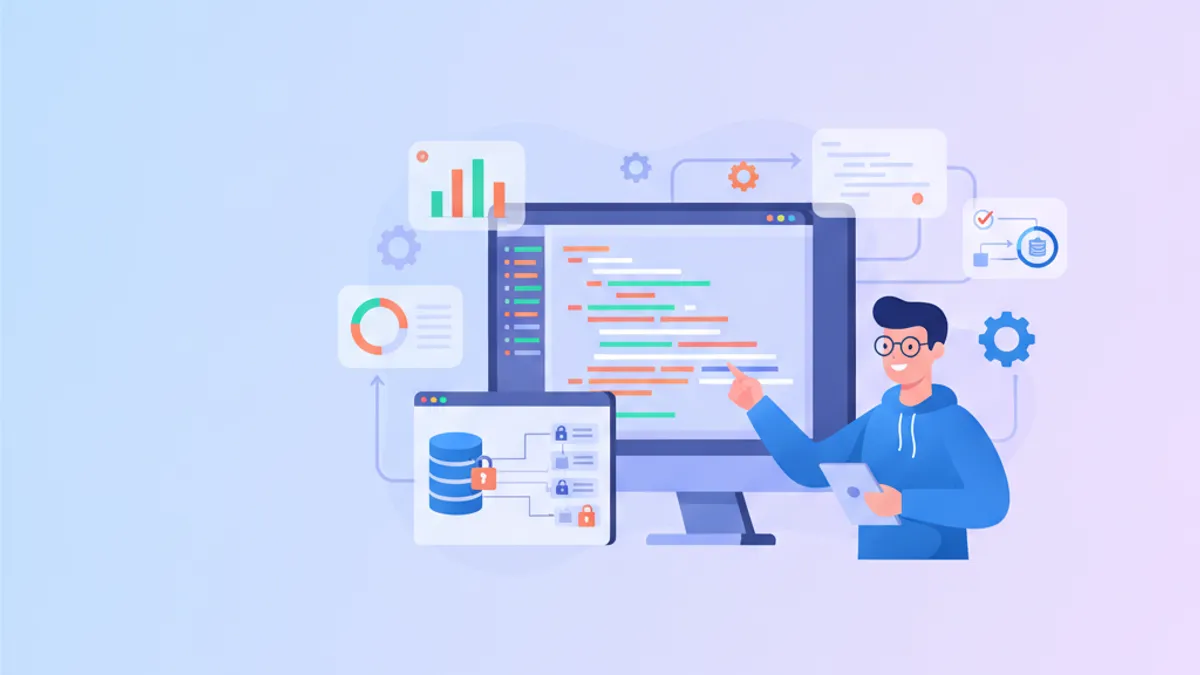
เรียนรู้วิธีที่ SQLx 0.9 ตรวจสอบ SQL query ขณะ compile, การกำหนดค่า sqlx.toml และเตรียมตัวสัมภาษณ์งานตำแหน่ง backend Rust
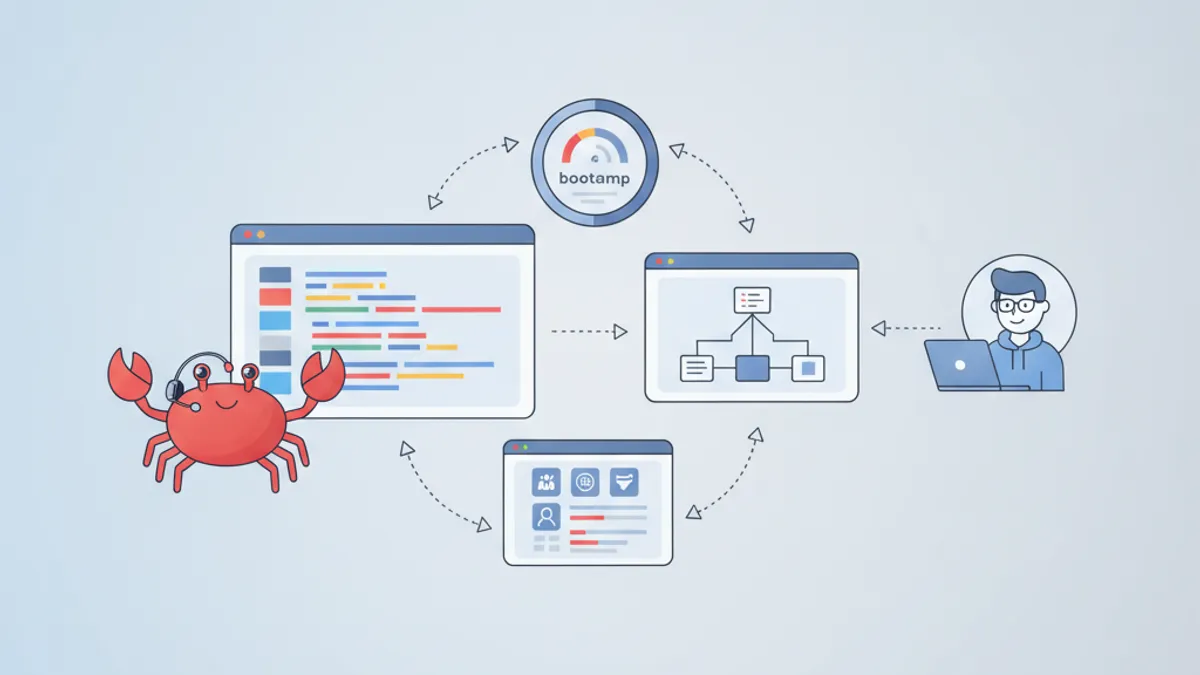
คู่มือครบถ้วนเปรียบเทียบ bootcamp Rust เช่น RareSkills และ Rustify กับแหล่งเรียนรู้ฟรีสำหรับนักพัฒนาในปี 2026