ความปลอดภัย REST API Symfony ปี 2026: OAuth2, Rate Limiting และคำถามสัมภาษณ์
เรียนรู้วิธีรักษาความปลอดภัย REST API Symfony ด้วย OAuth2 token introspection, rate limiting และการตรวจสอบ JWT ครอบคลุมฟีเจอร์ความปลอดภัย Symfony 7.3 ช่องโหว่ทั่วไป และคำถามสัมภาษณ์ทางเทคนิค
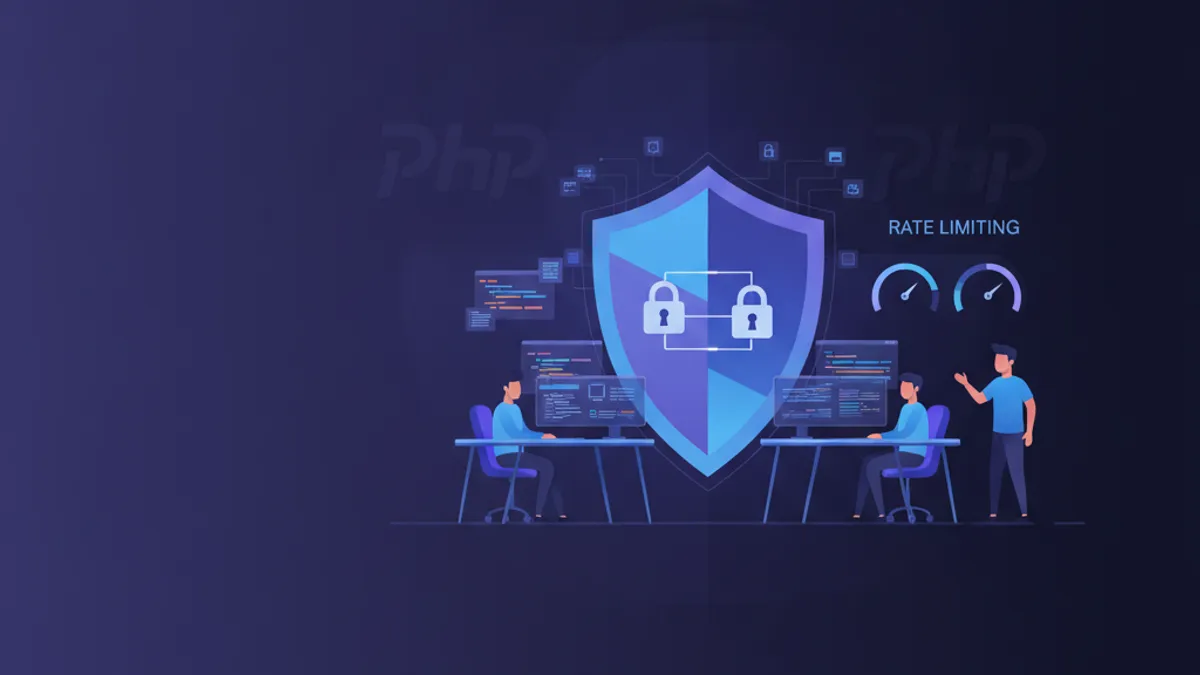
ความปลอดภัย REST API ของ Symfony ต้องการแนวทางแบบหลายชั้นที่ผสมผสาน authentication, authorization และการควบคุมทราฟฟิก Symfony 7.3 เปิดตัวการรองรับ OAuth2 token introspection แบบ native ผ่าน RFC 7662 ในขณะที่ component RateLimiter ให้การป้องกันในตัวต่อการใช้งานในทางที่ผิด
API Symfony ที่พร้อมสำหรับ production ต้องมีการป้องกันสามชั้น: authentication (ใครเป็นผู้เรียก), authorization (สามารถเข้าถึงอะไรได้บ้าง) และ rate limiting (เรียกได้บ่อยแค่ไหน) การขาดชั้นใดชั้นหนึ่งจะทำให้แอปพลิเคชันเสี่ยงต่อ credential stuffing, การขโมยข้อมูล หรือ denial of service
OAuth2 Token Introspection ใน Symfony 7.3
Symfony 7.3 เพิ่มการรองรับในตัวสำหรับ OAuth2 Token Introspection (RFC 7662) ฟีเจอร์นี้ตรวจสอบความถูกต้องของ access token โดยการ query โดยตรงไปยัง authorization server ซึ่งขจัดความจำเป็นในการ decode token ภายในเครื่อง สิ่งนี้สำคัญเมื่อรูปแบบ token เป็น opaque หรือถูกควบคุมโดย identity provider ภายนอก
การกำหนดค่า AccessTokenHandler รับ endpoint introspection:
# config/packages/security.yaml
security:
    firewalls:
        api:
            pattern: ^/api
            stateless: true
            access_token:
                token_handler:
                    introspection:
                        client_id: '%env(OAUTH_CLIENT_ID)%'
                        client_secret: '%env(OAUTH_CLIENT_SECRET)%'
                        introspection_url: '%env(OAUTH_INTROSPECTION_URL)%'
Response ของ introspection ประกอบด้วย active, scope, client_id และ username ซึ่งเป็นตัวเลือก Symfony จับคู่สิ่งเหล่านี้กับ security attributes โดยอัตโนมัติ
namespace App\Controller\Api;

use Symfony\Bundle\FrameworkBundle\Controller\AbstractController;
use Symfony\Component\HttpFoundation\JsonResponse;
use Symfony\Component\Routing\Attribute\Route;
use Symfony\Component\Security\Http\Attribute\IsGranted;

#[Route('/api/profile', methods: ['GET'])]
#[IsGranted('ROLE_USER')]
class ProfileController extends AbstractController
{
    public function __invoke(): JsonResponse
    {
        // Token ได้รับการตรวจสอบแล้วผ่าน introspection
        $user = $this->getUser();

        return $this->json([
            'id' => $user->getId(),
            'email' => $user->getEmail(),
            'scopes' => $user->getRoles(),
        ]);
    }
}
วิธีนี้ขจัดภาระการตรวจสอบลายเซ็น JWT ออกจากแอปพลิเคชัน Authorization server จัดการการหมุนเวียน key, การเพิกถอน token และการตรวจสอบ scope
การใช้งาน Rate Limiting ด้วย Component RateLimiter
Component RateLimiter ปกป้อง endpoint จากการใช้งานในทางที่ผิดโดยใช้ algorithm token bucket หรือ sliding window การกำหนดค่าทำใน framework.yaml:
# config/packages/framework.yaml
framework:
    rate_limiter:
        # Rate limit API ทั่วไป: 100 request ต่อนาที
        api_limiter:
            policy: sliding_window
            limit: 100
            interval: '1 minute'

        # Limit ที่เข้มงวดกว่าสำหรับ endpoint authentication
        login_limiter:
            policy: token_bucket
            limit: 5
            rate: { interval: '1 minute', amount: 5 }
ใช้ rate limiting กับ controller โดยใช้ event subscriber:
namespace App\EventSubscriber;

use Symfony\Component\EventDispatcher\EventSubscriberInterface;
use Symfony\Component\HttpKernel\Event\RequestEvent;
use Symfony\Component\HttpKernel\Exception\TooManyRequestsHttpException;
use Symfony\Component\HttpKernel\KernelEvents;
use Symfony\Component\RateLimiter\RateLimiterFactory;

final class RateLimitSubscriber implements EventSubscriberInterface
{
    public function __construct(
        private readonly RateLimiterFactory $apiLimiter,
    ) {}

    public static function getSubscribedEvents(): array
    {
        return [KernelEvents::REQUEST => ['onRequest', 10]];
    }

    public function onRequest(RequestEvent $event): void
    {
        if (!$event->isMainRequest()) {
            return;
        }

        $request = $event->getRequest();

        // ใช้เฉพาะกับ route API
        if (!str_starts_with($request->getPathInfo(), '/api')) {
            return;
        }

        // ใช้ IP ของ client หรือ user ที่ผ่านการ authenticate เป็น limiter key
        $key = $request->getClientIp();
        $limiter = $this->apiLimiter->create($key);

        if (!$limiter->consume()->isAccepted()) {
            throw new TooManyRequestsHttpException();
        }
    }
}
สำหรับ API ที่ผ่านการ authenticate ให้แทนที่ key แบบ IP ด้วย identifier ของ user เพื่อป้องกันไม่ให้ user ที่ใช้งานในทางที่ผิดคนเดียวส่งผลกระทบต่อทราฟฟิกที่ถูกต้องจากเครือข่ายเดียวกัน
การตรวจสอบ JWT โดยไม่ต้องใช้ Dependency ภายนอก
เมื่อ authorization server ออก JWT ด้วย public key ที่รู้จัก Symfony สามารถตรวจสอบ token ภายในเครื่องได้โดยใช้ OidcUserInfoTokenHandler:
# config/packages/security.yaml
security:
    firewalls:
        api:
            pattern: ^/api
            stateless: true
            access_token:
                token_handler:
                    oidc_user_info:
                        base_uri: '%env(OIDC_ISSUER)%'
                        claim: email
สำหรับ JWT ที่ออกเองโดยไม่มี provider OIDC ให้ใช้ lexik/jwt-authentication-bundle:
namespace App\Security;

use Lexik\Bundle\JWTAuthenticationBundle\Services\JWTTokenManagerInterface;
use Symfony\Component\Security\Http\AccessToken\AccessTokenHandlerInterface;
use Symfony\Component\Security\Http\Authenticator\Passport\Badge\UserBadge;

final class JwtTokenAuthenticator implements AccessTokenHandlerInterface
{
    public function __construct(
        private readonly JWTTokenManagerInterface $jwtManager,
    ) {}

    public function getUserBadgeFrom(string $accessToken): UserBadge
    {
        // Decode และตรวจสอบลายเซ็นโดยอัตโนมัติ
        $payload = $this->jwtManager->parse($accessToken);

        return new UserBadge($payload['sub']);
    }
}
Bundle JWT จัดการการตรวจสอบลายเซ็น RS256/ES256, การตรวจสอบ expiration และการตรวจสอบ issuer เก็บ public key ไว้ที่ config/jwt/public.pem และอ้างอิงใน lexik_jwt_authentication.yaml
พร้อมที่จะพิชิตการสัมภาษณ์ Symfony แล้วหรือยังครับ?
ฝึกฝนด้วยตัวจำลองแบบโต้ตอบ, flashcards และแบบทดสอบเทคนิคครับ
การรักษาความปลอดภัย API Endpoints ด้วย Voters
Symfony Voters ให้ authorization แบบละเอียดที่เกินกว่าการตรวจสอบ role แบบง่าย รูปแบบทั่วไปคือการตรวจสอบความเป็นเจ้าของ resource:
namespace App\Security\Voter;

use App\Entity\Article;
use App\Entity\User;
use Symfony\Component\Security\Core\Authentication\Token\TokenInterface;
use Symfony\Component\Security\Core\Authorization\Voter\Voter;

final class ArticleVoter extends Voter
{
    public const EDIT = 'ARTICLE_EDIT';
    public const DELETE = 'ARTICLE_DELETE';

    protected function supports(string $attribute, mixed $subject): bool
    {
        return in_array($attribute, [self::EDIT, self::DELETE], true)
            && $subject instanceof Article;
    }

    protected function voteOnAttribute(
        string $attribute,
        mixed $subject,
        TokenInterface $token
    ): bool {
        $user = $token->getUser();

        if (!$user instanceof User) {
            return false;
        }

        /** @var Article $article */
        $article = $subject;

        // Admin สามารถทำอะไรก็ได้
        if (in_array('ROLE_ADMIN', $user->getRoles(), true)) {
            return true;
        }

        // ผู้เขียนสามารถแก้ไข/ลบบทความของตนเองได้
        return $article->getAuthor() === $user;
    }
}
ใช้ voter ใน controller:
#[Route('/api/articles/{id}', methods: ['PUT'])]
public function update(Article $article, Request $request): JsonResponse
{
    $this->denyAccessUnlessGranted(ArticleVoter::EDIT, $article);

    // Logic การอัปเดตที่นี่
}
Voters รวมศูนย์ logic authorization และทำให้สามารถทดสอบได้ นอกจากนี้ยังปรากฏบ่อยใน คำถามสัมภาษณ์ Symfony เกี่ยวกับ component ความปลอดภัย
ช่องโหว่ API ทั่วไปและการบรรเทา
OWASP API Security Top 10 ระบุช่องโหว่ที่เกิดซ้ำใน API Symfony ให้การป้องกันในตัวสำหรับหลายรายการ:
| ช่องโหว่ | การบรรเทา Symfony |
|---|---|
| Broken Object Level Authorization | Voters พร้อมการตรวจสอบความเป็นเจ้าของ |
| Broken Authentication | Login throttling, secure password hashing |
| Excessive Data Exposure | กลุ่ม serialization DTO |
| Lack of Rate Limiting | Component RateLimiter |
| Mass Assignment | การตรวจสอบ form, mapping DTO |
| Security Misconfiguration | Security checker Symfony, env vars |
สำหรับการป้องกัน mass assignment ห้าม hydrate entity โดยตรงจากข้อมูล request:
namespace App\Dto;

use Symfony\Component\Validator\Constraints as Assert;

final class CreateArticleDto
{
    public function __construct(
        #[Assert\NotBlank]
        #[Assert\Length(max: 255)]
        public readonly string $title,

        #[Assert\NotBlank]
        public readonly string $content,

        // ตั้งใจละเว้น: author, createdAt, status
        // สิ่งเหล่านี้ตั้งค่าโดยแอปพลิเคชัน ไม่ใช่ client
    ) {}
}
แนวทาง whitelist DTO ป้องกันไม่ให้ client ตั้งค่า field ที่ไม่ควรควบคุม เช่น isAdmin หรือ createdAt
การกำหนดค่า CORS สำหรับ Consumer API
Header Cross-Origin Resource Sharing ควบคุมว่า domain ใดสามารถเรียก API จาก browser ได้ Bundle nelmio/cors-bundle ให้การกำหนดค่าแบบประกาศ:
# config/packages/nelmio_cors.yaml
nelmio_cors:
    defaults:
        allow_origin: ['%env(CORS_ALLOW_ORIGIN)%']
        allow_methods: ['GET', 'POST', 'PUT', 'DELETE', 'OPTIONS']
        allow_headers: ['Content-Type', 'Authorization']
        max_age: 3600
    paths:
        '^/api/':
            origin_regex: true
            allow_origin: ['^https://.*\.example\.com$']
            allow_credentials: true
หลีกเลี่ยง allow_origin: ['*'] กับ allow_credentials: true การผสมผสานนี้ทำให้ API เสี่ยงต่อการถูกขโมย credential ผ่านเว็บไซต์ที่เป็นอันตราย ใช้ whitelist domain ที่ชัดเจนหรือ pattern regex
คำถามสัมภาษณ์ทางเทคนิคเกี่ยวกับความปลอดภัย API Symfony
คำถามเหล่านี้ปรากฏบ่อยในการสัมภาษณ์ developer Symfony ระดับ senior คำตอบสะท้อนความสามารถของ Symfony 7.3
ถ: Symfony จัดการการตรวจสอบ access token OAuth2 อย่างไร?
Symfony 7.3 รองรับสามแนวทาง: การตรวจสอบ JWT ภายในเครื่องพร้อมการตรวจสอบลายเซ็น, การเรียก endpoint user info OIDC และ token introspection RFC 7662 Introspection เหมาะสำหรับ token แบบ opaque หรือสถานการณ์ที่แอปไม่ได้ควบคุม authorization server AccessTokenHandler abstract ทั้งสามอยู่เบื้องหลัง interface เดียว
ถ: ความแตกต่างระหว่าง firewall และ access control ใน Symfony คืออะไร?
Firewall กำหนดกลไก authentication ตาม pattern URL กฎ access control กำหนดข้อกำหนด authorization หลังจาก authentication สำเร็จ Firewall อาจต้องการ JWT ที่ถูกต้อง ในขณะที่ access control ต้องการ ROLE_ADMIN สำหรับ /api/admin/* พวกมันทำงานตามลำดับ: firewall ทำ authenticate จากนั้น access control ทำ authorize
ถ: จะป้องกันการโจมตี brute force บน endpoint login ได้อย่างไร?
Login throttling ในตัวของ Symfony จำกัดความพยายามที่ล้มเหลวต่อ username และ IP กำหนดค่า login_throttling ใน firewall:
security:
    firewalls:
        main:
            login_throttling:
                max_attempts: 5
                interval: '15 minutes'
สำหรับ authentication API ให้รวมกับ component RateLimiter บน endpoint token เก็บจำนวนความพยายามใน Redis สำหรับการ deploy แบบ multi-instance
ถ: อธิบาย Symfony Voters และเมื่อใดควรใช้แทนการตรวจสอบ role แบบง่าย
Voters ใช้งาน logic authorization ที่ซับซ้อนซึ่งขึ้นอยู่กับ resource ไม่ใช่แค่ role ของ user ใช้ voters เมื่อ: user ต้องเป็นเจ้าของ resource, resource มี state machine (draft vs published) หรือ authorization ขึ้นอยู่กับกฎธุรกิจ (tier subscription) การตรวจสอบ role เพียงพอสำหรับ permission แบบ static เช่น "เฉพาะ admin เท่านั้นที่สามารถเข้าถึง settings"
สำหรับคำถามความปลอดภัย Symfony เพิ่มเติม ดู คู่มือเตรียมสัมภาษณ์ Symfony
เริ่มฝึกซ้อมเลย!
ทดสอบความรู้ของคุณด้วยตัวจำลองสัมภาษณ์และแบบทดสอบเทคนิคครับ
การสร้าง API Symfony ที่ปลอดภัย: ประเด็นสำคัญ
- กำหนดค่า OAuth2 token introspection สำหรับ identity provider ภายนอกที่รูปแบบ token เป็น opaque
- ใช้ rate limiting ที่ระดับ infrastructure (reverse proxy) และระดับแอปพลิเคชัน (component RateLimiter) เพื่อ defense in depth
- ใช้ Voters สำหรับ authorization ระดับ resource สงวนการตรวจสอบ role สำหรับ permission แบบ static
- จับคู่ข้อมูล request กับ DTO ที่มี property ที่ชัดเจนเพื่อป้องกัน mass assignment
- เก็บ secret ใน environment variable ห้ามเก็บในไฟล์
config/*.yamlที่ commit ไปยัง version control - ทดสอบกฎความปลอดภัยด้วย functional test
WebTestCaseที่ตรวจสอบทั้งการเข้าถึงที่อนุญาตและถูกปฏิเสธ - ตรวจสอบ dependency ด้วย
symfony security:checkใน pipeline CI
คุณหาบั๊กใน Symfony เจอไหม
โค้ดจริงหนึ่งชิ้น บั๊กที่ซ่อนอยู่หนึ่งจุด วันละหนึ่งครั้ง ลองได้โดยไม่ต้องมีบัญชี

เขียนโดย
Anthony Fillion-Mailletผู้ก่อตั้ง SharpSkill
เป็นนักพัฒนาฟูลสแตกมากว่า 10 ปี ดูแล SharpSkill และรับผิดชอบทุกสิ่งที่เผยแพร่ที่นี่
อัปเดตเมื่อ 14 กันยายน 2569
แท็ก
แชร์
บทความที่เกี่ยวข้อง
ระบบความปลอดภัย Symfony ปี 2026: Voters, Firewalls และคำถามสัมภาษณ์งานเทคนิค
คู่มือเชิงลึกระบบความปลอดภัย Symfony: firewalls, voters, IsGranted attribute, กลยุทธ์การตัดสินใจ, การ debug ผ่าน Twig ใน Symfony 7.4 และคำถามสัมภาษณ์งานสำหรับนักพัฒนา PHP
การทดสอบ Symfony ปี 2026: PHPUnit, KernelTestCase และ Functional Tests
คู่มือฉบับสมบูรณ์สำหรับการทดสอบแอปพลิเคชัน Symfony ด้วย PHPUnit 12, KernelTestCase สำหรับ integration testing และ WebTestCase สำหรับ functional tests ตาม best practices

Symfony Live Components และ UX 3.0: แอปพลิเคชันแบบ Reactive โดยไม่ต้องใช้ JavaScript ในปี 2026
Symfony Live Components สร้างอินเทอร์เฟซแบบ reactive ด้วย PHP และ Twig โดยไม่ต้องใช้ JavaScript บทช่วยสอนเกี่ยวกับ LiveProp, LiveAction, form และ deferred loading