Hugging Face Transformers 2026: NLP, Fine-Tuning และคำถามสัมภาษณ์
คู่มือ Hugging Face Transformers v5 ปี 2026: สถาปัตยกรรม, fine-tuning ด้วย LoRA, tokenization, quantization และคำถามสัมภาษณ์งาน data science NLP
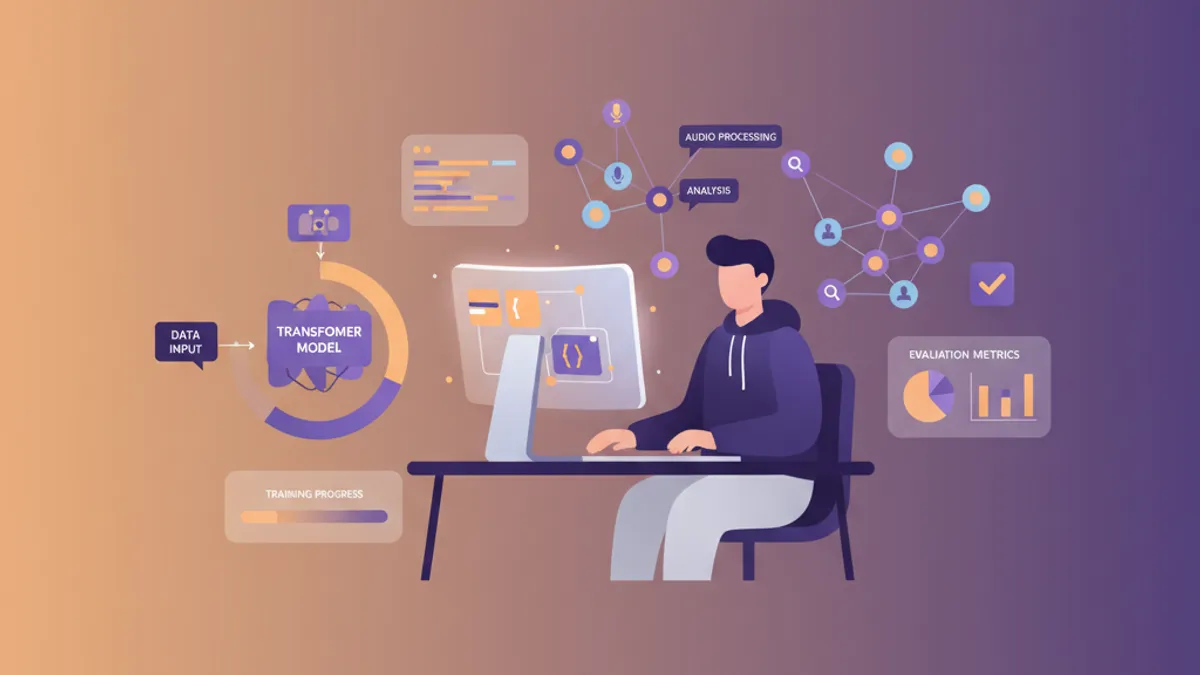
Hugging Face Transformers กลายเป็นไลบรารีมาตรฐานสำหรับงาน Natural Language Processing (NLP) และ Machine Learning ในปี 2026 ไลบรารีนี้ได้รับการพัฒนาอย่างต่อเนื่องจนถึงเวอร์ชัน 5 ซึ่งนำเสนอฟีเจอร์ใหม่มากมายที่ช่วยให้การพัฒนาโมเดล AI เป็นเรื่องง่ายขึ้น ไม่ว่าจะเป็นการ Fine-tuning ด้วย LoRA หรือการ Deploy โมเดลขนาดใหญ่ด้วย Quantization สำหรับผู้ที่กำลังเตรียมตัวสัมภาษณ์งานในสาย Data Science และ NLP การเข้าใจ Hugging Face Transformers อย่างลึกซึ้งถือเป็นสิ่งจำเป็นอย่างยิ่ง บทความนี้จะครอบคลุมตั้งแต่พื้นฐานไปจนถึงเทคนิคขั้นสูง พร้อมตัวอย่างโค้ดที่ใช้งานได้จริงและคำถามสัมภาษณ์ที่พบบ่อยในปี 2026
ผู้สัมภาษณ์งาน NLP และ Data Science ในปี 2026 มักเน้นคำถามเกี่ยวกับ Hugging Face Transformers เป็นพิเศษ การเตรียมตัวให้พร้อมทั้งภาคทฤษฎีและปฏิบัติจะช่วยเพิ่มโอกาสในการผ่านการสัมภาษณ์ได้อย่างมาก
สถาปัตยกรรม Transformers v5 และการเปลี่ยนแปลง API หลัก
Transformers v5 นำเสนอการเปลี่ยนแปลงครั้งสำคัญที่ช่วยให้การใช้งานง่ายขึ้นและมีประสิทธิภาพมากขึ้น หนึ่งในฟีเจอร์เด่นคือ transformers serve ซึ่งช่วยให้สามารถเปิด inference server ที่รองรับ OpenAI API ได้ทันที นอกจากนี้ Pipeline API ยังคงเป็นวิธีที่รวดเร็วที่สุดในการรับ predictions จากโมเดล
# serve_model.py
# Start an OpenAI-compatible inference server from the command line
# transformers serve --model meta-llama/Llama-4-Scout-17B-16E-Instruct --compile

# Or use the Python API directly
from transformers import pipeline

# The pipeline API remains the fastest way to get predictions
classifier = pipeline("sentiment-analysis", model="distilbert-base-uncased-finetuned-sst-2-english")
results = classifier(["Transformers v5 simplifies everything.", "Legacy code migration is painful."])
print(results)
# [{'label': 'POSITIVE', 'score': 0.9998}, {'label': 'NEGATIVE', 'score': 0.9994}]
สถาปัตยกรรมของ Transformer แบ่งออกเป็นสามประเภทหลักที่แต่ละแบบเหมาะสมกับงานที่แตกต่างกัน การทำความเข้าใจความแตกต่างนี้เป็นสิ่งสำคัญสำหรับการเลือกโมเดลที่เหมาะสมกับปัญหาที่ต้องการแก้ไข
| Architecture | Examples | Best For | Attention Pattern |
|---|---|---|---|
| Encoder-only | BERT, RoBERTa, DeBERTa | Classification, NER, embeddings | Bidirectional (sees full context) |
| Decoder-only | GPT, LLaMA, Mistral, Qwen | Text generation, chat, code | Causal (left-to-right only) |
| Encoder-decoder | T5, BART, mBART | Translation, summarization | Cross-attention between encoder and decoder |
ในการสัมภาษณ์งาน NLP ผู้สัมภาษณ์มักถามเกี่ยวกับความแตกต่างระหว่างสถาปัตยกรรมต่างๆ และเหตุผลในการเลือกใช้แต่ละแบบ การตอบคำถามได้อย่างชัดเจนแสดงถึงความเข้าใจที่ลึกซึ้งในหลักการทำงานของ Transformers
การโหลดและใช้งาน Pre-Trained Model จาก Hub
Hugging Face Hub เป็นแหล่งรวมโมเดล pre-trained มากกว่า 500,000 โมเดลที่พร้อมใช้งาน การโหลดโมเดลจาก Hub ทำได้ง่ายมากด้วย AutoModel และ AutoTokenizer ซึ่งจะตรวจจับสถาปัตยกรรมของโมเดลโดยอัตโนมัติ วิธีนี้ช่วยลดความซับซ้อนในการจัดการโค้ดเมื่อต้องทำงานกับโมเดลหลายประเภท
# load_model.py
from transformers import AutoTokenizer, AutoModelForSequenceClassification
import torch

# Load tokenizer and model — architecture detected automatically
tokenizer = AutoTokenizer.from_pretrained("bert-base-uncased")
model = AutoModelForSequenceClassification.from_pretrained("bert-base-uncased", num_labels=3)

# Tokenize input text with padding and truncation
inputs = tokenizer(
    "Hugging Face makes NLP accessible.",
    return_tensors="pt",     # Return PyTorch tensors
    padding=True,
    truncation=True,
    max_length=128
)

# Run inference with no gradient computation
with torch.no_grad():
    outputs = model(**inputs)
    predictions = torch.softmax(outputs.logits, dim=-1)
    print(f"Class probabilities: {predictions}")
การใช้ torch.no_grad() เป็นสิ่งสำคัญในขั้นตอน inference เนื่องจากช่วยประหยัดหน่วยความจำและเพิ่มความเร็วในการประมวลผล เพราะไม่จำเป็นต้องเก็บ gradient สำหรับการ backpropagation ข้อนี้เป็นหนึ่งในคำถามสัมภาษณ์ที่พบบ่อยสำหรับตำแหน่ง Data Science ที่เกี่ยวข้องกับ NLP
Fine-Tuning ด้วย LoRA และ Trainer API
การ Fine-tuning โมเดลขนาดใหญ่แบบเดิมต้องใช้ทรัพยากรมหาศาล แต่ LoRA (Low-Rank Adaptation) ช่วยแก้ปัญหานี้โดยการ freeze โมเดลต้นฉบับและเพิ่ม adapter layers ขนาดเล็กที่สามารถ train ได้ วิธีนี้ช่วยลดจำนวน trainable parameters ลงเหลือเพียง 0.5-2% ของโมเดลเดิม ทำให้สามารถ fine-tune โมเดลขนาดใหญ่บน GPU ที่มีหน่วยความจำจำกัดได้
# finetune_lora.py
from transformers import AutoModelForCausalLM, AutoTokenizer, TrainingArguments, Trainer
from peft import LoraConfig, get_peft_model, TaskType
from datasets import load_dataset

# Load base model and tokenizer
model_name = "Qwen/Qwen3-0.6B"
tokenizer = AutoTokenizer.from_pretrained(model_name)
model = AutoModelForCausalLM.from_pretrained(model_name, torch_dtype="auto")

# Configure LoRA — only 0.5-2% of parameters become trainable
lora_config = LoraConfig(
    task_type=TaskType.CAUSAL_LM,
    r=16,                   # Rank of the low-rank matrices
    lora_alpha=32,          # Scaling factor
    lora_dropout=0.05,      # Dropout for regularization
    target_modules=["q_proj", "v_proj"],  # Which attention layers to adapt
)

# Wrap the model with LoRA adapters
model = get_peft_model(model, lora_config)
model.print_trainable_parameters()
# trainable params: 1,572,864 || all params: 631,000,000 || trainable%: 0.25

# Load and tokenize dataset
dataset = load_dataset("tatsu-lab/alpaca", split="train[:5000]")

def tokenize(example):
    return tokenizer(example["text"], truncation=True, max_length=512, padding="max_length")

tokenized = dataset.map(tokenize, batched=True, remove_columns=dataset.column_names)

# Configure training
training_args = TrainingArguments(
    output_dir="./lora-qwen",
    num_train_epochs=3,
    per_device_train_batch_size=4,
    gradient_accumulation_steps=4,  # Effective batch size = 16
    learning_rate=2e-4,
    bf16=True,                      # Use bfloat16 mixed precision
    logging_steps=50,
    save_strategy="epoch",
)

# Train
trainer = Trainer(model=model, args=training_args, train_dataset=tokenized)
trainer.train()การเลือก target_modules มีผลต่อประสิทธิภาพของโมเดลอย่างมาก การเลือก layer ที่ผิดอาจทำให้โมเดลไม่สามารถเรียนรู้ได้ตามที่ต้องการ ควรทดลองกับ configuration ต่างๆ และประเมินผลลัพธ์อย่างรอบคอบ
พารามิเตอร์ที่สำคัญในการ configure LoRA ได้แก่ r (rank) ซึ่งกำหนดขนาดของ low-rank matrices ค่า r ที่สูงขึ้นจะให้ความสามารถในการเรียนรู้มากขึ้นแต่ใช้หน่วยความจำมากขึ้น lora_alpha เป็น scaling factor ที่ช่วยควบคุมความแรงของการปรับ adapter และ gradient_accumulation_steps ช่วยให้สามารถจำลอง batch size ที่ใหญ่ขึ้นโดยไม่ต้องใช้หน่วยความจำเพิ่ม
พร้อมที่จะพิชิตการสัมภาษณ์ Data Science & ML แล้วหรือยังครับ?
ฝึกฝนด้วยตัวจำลองแบบโต้ตอบ, flashcards และแบบทดสอบเทคนิคครับ
การสร้าง NLP Pipeline: จาก Tokenization ถึง Inference
Tokenization เป็นขั้นตอนแรกและสำคัญที่สุดใน NLP pipeline โดยจะแปลงข้อความเป็น tokens ที่โมเดลสามารถเข้าใจได้ Hugging Face ใช้ระบบ subword tokenization ซึ่งช่วยจัดการกับคำที่ไม่เคยเห็นมาก่อน (out-of-vocabulary words) ได้อย่างมีประสิทธิภาพ
# tokenization_demo.py
from transformers import AutoTokenizer

tokenizer = AutoTokenizer.from_pretrained("bert-base-uncased")
text = "Transformers handle tokenization automatically."

# Step-by-step tokenization
tokens = tokenizer.tokenize(text)          # Split into subwords
print(f"Tokens: {tokens}")
# ['transformers', 'handle', 'token', '##ization', 'automatically', '.']

ids = tokenizer.convert_tokens_to_ids(tokens)  # Convert to numeric IDs
print(f"IDs: {ids}")
# [19081, 5765, 19204, 6032, 8073, 1012]

# The encode method does both steps plus adds special tokens
encoded = tokenizer.encode(text, add_special_tokens=True)
print(f"Encoded with special tokens: {encoded}")
# [101, 19081, 5765, 19204, 6032, 8073, 1012, 102]
# 101 = [CLS], 102 = [SEP]
จะสังเกตได้ว่าคำว่า "tokenization" ถูกแบ่งเป็น "token" และ "##ization" นี่คือหลักการของ subword tokenization ที่ช่วยลดขนาด vocabulary ในขณะที่ยังสามารถแทนคำใดก็ได้ สัญลักษณ์ ## หมายความว่า token นี้ต่อเนื่องจาก token ก่อนหน้า Special tokens อย่าง [CLS] และ [SEP] มีความสำคัญสำหรับโมเดลตระกูล BERT ในการระบุจุดเริ่มต้นและจุดสิ้นสุดของ sequence
Quantization สำหรับการ Deploy อย่างมีประสิทธิภาพ
Quantization เป็นเทคนิคสำคัญสำหรับการ deploy โมเดลขนาดใหญ่ในสภาพแวดล้อมที่มีทรัพยากรจำกัด โดยการลดความละเอียดของ weights จาก float32 หรือ float16 เป็น int8 หรือ int4 ช่วยลดขนาดโมเดลและความต้องการ VRAM ได้อย่างมากโดยแลกกับความแม่นยำเพียงเล็กน้อย
# quantize_model.py
from transformers import AutoModelForCausalLM, AutoTokenizer, BitsAndBytesConfig
import torch

# Configure 4-bit quantization
quant_config = BitsAndBytesConfig(
    load_in_4bit=True,                      # Use 4-bit precision
    bnb_4bit_compute_dtype=torch.bfloat16,  # Compute in bfloat16
    bnb_4bit_quant_type="nf4",              # NormalFloat4 quantization
    bnb_4bit_use_double_quant=True,         # Quantize the quantization constants
)

# Load quantized model — fits in ~4GB VRAM instead of ~14GB
model = AutoModelForCausalLM.from_pretrained(
    "mistralai/Mistral-7B-Instruct-v0.3",
    quantization_config=quant_config,
    device_map="auto",  # Automatically distribute across available GPUs
)

tokenizer = AutoTokenizer.from_pretrained("mistralai/Mistral-7B-Instruct-v0.3")

# Inference works identically to the non-quantized model
inputs = tokenizer("Explain quantization in one sentence:", return_tensors="pt").to(model.device)
outputs = model.generate(**inputs, max_new_tokens=50)
print(tokenizer.decode(outputs[0], skip_special_tokens=True))
การใช้ NF4 (NormalFloat4) quantization ร่วมกับ double quantization ช่วยรักษาคุณภาพของโมเดลได้ดีกว่าวิธี quantization แบบดั้งเดิม device_map="auto" เป็นฟีเจอร์ที่มีประโยชน์มากในการกระจายโมเดลไปยัง GPU หลายตัวโดยอัตโนมัติ ซึ่งเป็นคำถามที่มักถูกถามในการสัมภาษณ์เกี่ยวกับการ fine-tuning LLM
คำถามสัมภาษณ์ Hugging Face ที่พบบ่อย
การสัมภาษณ์งานในสาย NLP และ Data Science ในปี 2026 มักมีคำถามเกี่ยวกับ Hugging Face Transformers เป็นส่วนสำคัญ ต่อไปนี้คือคำถามที่พบบ่อยพร้อมแนวทางการตอบ
คำถามที่ 1: อธิบายความแตกต่างระหว่าง Encoder-only, Decoder-only และ Encoder-decoder architectures
แนวทางการตอบควรอธิบายว่า Encoder-only เช่น BERT ใช้ bidirectional attention เหมาะสำหรับงาน classification และ NER ในขณะที่ Decoder-only เช่น GPT ใช้ causal attention เหมาะสำหรับการ generate ข้อความ ส่วน Encoder-decoder เช่น T5 เหมาะสำหรับงาน sequence-to-sequence อย่าง translation
คำถามที่ 2: LoRA ทำงานอย่างไร และทำไมจึงมีประสิทธิภาพ
ควรอธิบายว่า LoRA ใช้หลักการ low-rank decomposition โดย freeze โมเดลต้นฉบับและเพิ่ม trainable low-rank matrices เข้าไป วิธีนี้ช่วยลด trainable parameters ลงเหลือเพียงเศษเปอร์เซ็นต์ของโมเดลเดิม ทำให้ประหยัดหน่วยความจำและเวลาในการ train
คำถามที่ 3: เมื่อไหร่ควรใช้ Quantization และมีข้อเสียอะไร
Quantization เหมาะสำหรับการ deploy โมเดลในสภาพแวดล้อมที่มีทรัพยากรจำกัด ข้อเสียคืออาจสูญเสียความแม่นยำเล็กน้อย และบางงานที่ต้องการความละเอียดสูงอาจไม่เหมาะกับ 4-bit quantization
เมื่อตอบคำถามเกี่ยวกับ Hugging Face ควรยกตัวอย่างโค้ดหรือ use case จริงประกอบเสมอ การตอบแบบมี context และตัวอย่างจะแสดงให้ผู้สัมภาษณ์เห็นว่ามีประสบการณ์จริงในการใช้งาน
การเตรียมตัวสัมภาษณ์งาน NLP และ Hugging Face
สำหรับผู้ที่กำลังเตรียมตัวสัมภาษณ์งานในสาย Data Science ที่เน้น NLP การเตรียมตัวอย่างเป็นระบบจะช่วยเพิ่มโอกาสในการประสบความสำเร็จ ต่อไปนี้คือแนวทางการเตรียมตัวที่แนะนำ
การทำความเข้าใจหลักการทำงานของ Transformer architecture เป็นพื้นฐานที่สำคัญที่สุด ควรสามารถอธิบาย self-attention mechanism, positional encoding และความแตกต่างระหว่าง pre-training กับ fine-tuning ได้อย่างชัดเจน
การฝึกเขียนโค้ดโดยไม่พึ่งพา documentation มากเกินไปเป็นสิ่งสำคัญ ควรจำรูปแบบพื้นฐานของการโหลดโมเดล, tokenization และ inference ได้ รวมถึงเข้าใจพารามิเตอร์หลักๆ ของ TrainingArguments และ LoraConfig
การติดตามการเปลี่ยนแปลงใน Transformers เวอร์ชันใหม่ก็สำคัญเช่นกัน เช่น ฟีเจอร์ transformers serve ใน v5 ที่ช่วยให้การ deploy โมเดลง่ายขึ้นมาก การแสดงให้เห็นว่าติดตามความก้าวหน้าในวงการจะสร้างความประทับใจให้ผู้สัมภาษณ์
เริ่มฝึกซ้อมเลย!
ทดสอบความรู้ของคุณด้วยตัวจำลองสัมภาษณ์และแบบทดสอบเทคนิคครับ
สรุป
Hugging Face Transformers ในปี 2026 ได้พัฒนาไปอย่างมากทั้งในด้านความสามารถและความง่ายในการใช้งาน สำหรับผู้ที่ต้องการประสบความสำเร็จในการสัมภาษณ์งาน NLP และ Data Science การเข้าใจเครื่องมือนี้อย่างลึกซึ้งเป็นสิ่งจำเป็น
ประเด็นสำคัญที่ควรจดจำ:
- สถาปัตยกรรม Transformer แบ่งเป็นสามประเภทหลัก ได้แก่ Encoder-only สำหรับ classification, Decoder-only สำหรับ generation และ Encoder-decoder สำหรับ sequence-to-sequence tasks
- AutoModel และ AutoTokenizer เป็นวิธีมาตรฐานในการโหลดโมเดลจาก Hugging Face Hub โดยไม่ต้องระบุ architecture เฉพาะ
- LoRA เป็นเทคนิค parameter-efficient fine-tuning ที่ช่วยลด trainable parameters ลงเหลือเพียง 0.5-2% ทำให้สามารถ fine-tune โมเดลขนาดใหญ่บน hardware ที่มีข้อจำกัดได้
- Tokenization เป็นขั้นตอนสำคัญที่แปลงข้อความเป็น numerical representation โดย subword tokenization ช่วยจัดการกับ out-of-vocabulary words ได้อย่างมีประสิทธิภาพ
- Quantization ช่วยลดขนาดโมเดลและความต้องการ VRAM สำหรับการ deploy โดย 4-bit quantization สามารถลดขนาดได้ถึง 3-4 เท่า
- คำถามสัมภาษณ์ มักเน้นที่ความเข้าใจในหลักการทำงาน การเลือกใช้โมเดลที่เหมาะสม และความสามารถในการแก้ปัญหาจริง
การเตรียมตัวอย่างรอบด้านทั้งภาคทฤษฎีและปฏิบัติจะช่วยให้ผู้สมัครงานมีความพร้อมสำหรับการสัมภาษณ์งาน NLP ในปี 2026 และสามารถแสดงศักยภาพได้อย่างเต็มที่
คุณหาบั๊กใน Data Science & ML เจอไหม
โค้ดจริงหนึ่งชิ้น บั๊กที่ซ่อนอยู่หนึ่งจุด วันละหนึ่งครั้ง ลองได้โดยไม่ต้องมีบัญชี

เขียนโดย
Anthony Fillion-Mailletผู้ก่อตั้ง SharpSkill
เป็นนักพัฒนาฟูลสแตกมากว่า 10 ปี ดูแล SharpSkill และรับผิดชอบทุกสิ่งที่เผยแพร่ที่นี่
อัปเดตเมื่อ 19 พฤษภาคม 2569
แท็ก
แชร์
บทความที่เกี่ยวข้อง
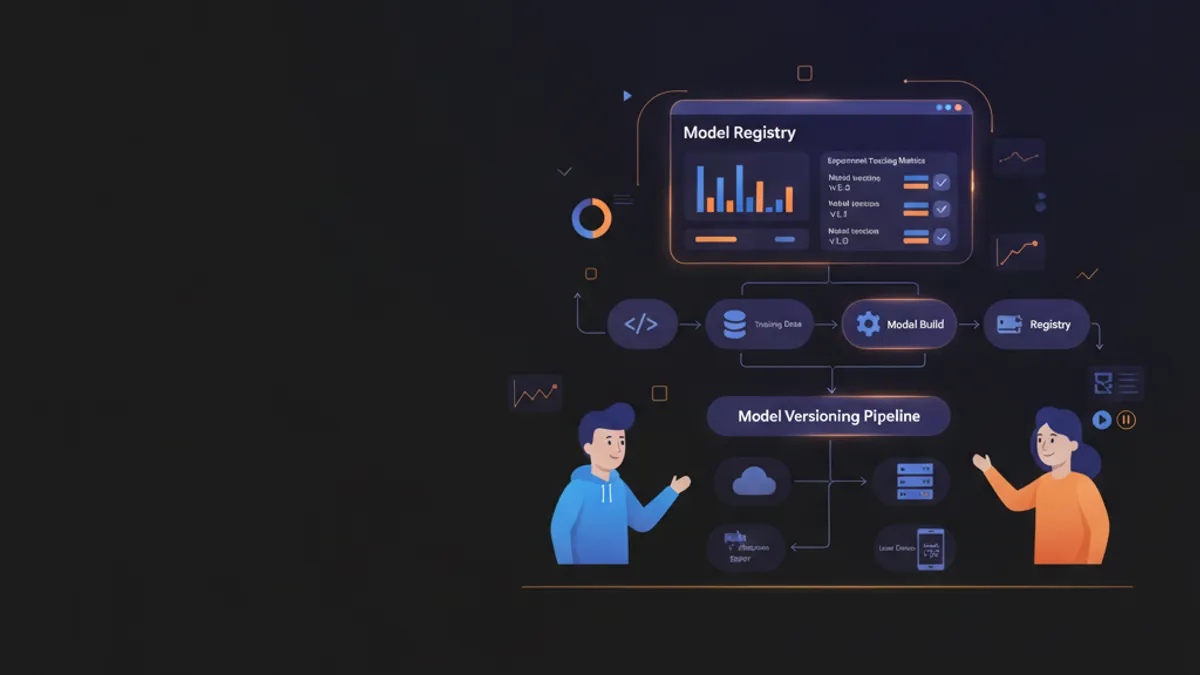
MLOps ในปี 2026: MLflow, Model Registry และคำถามสัมภาษณ์เชิงเทคนิค
คำถามสัมภาษณ์ MLOps ครอบคลุมวงจรชีวิต ML การติดตามการทดลองด้วย MLflow การเลื่อนระดับใน model registry รูปแบบการนำไปใช้งาน การเฝ้าติดตาม drift และ system design สำหรับปี 2026 พร้อมโค้ด Python และคำตอบ
25 คำถามสัมภาษณ์ Data Science ยอดนิยมในปี 2026
คำถามสัมภาษณ์ Data Science ที่ครอบคลุมสถิติ machine learning การเตรียมฟีเจอร์ deep learning SQL และการออกแบบระบบ พร้อมตัวอย่างโค้ด Python และคำตอบเชิงลึกสำหรับปี 2026
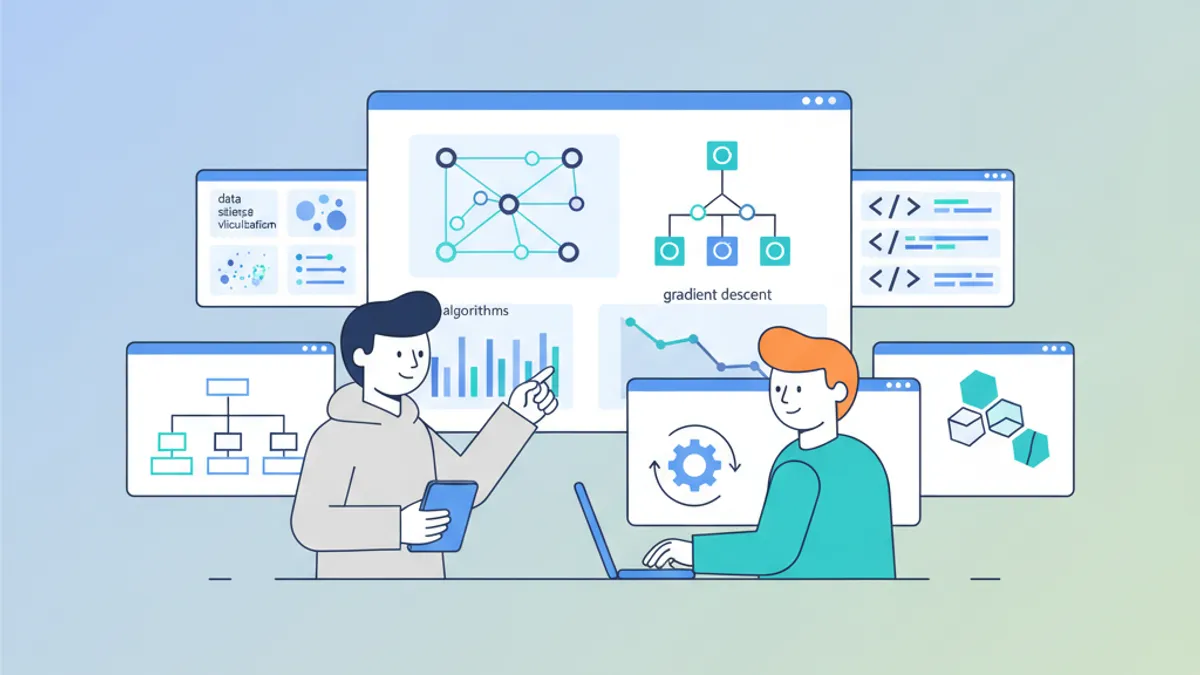
อัลกอริทึม Machine Learning อธิบายครบจบ: คู่มือสัมภาษณ์งานด้านเทคนิคปี 2026
ทำความเข้าใจอัลกอริทึม Machine Learning หลักที่ถูกทดสอบในการสัมภาษณ์งานด้านเทคนิคปี 2026 ครอบคลุม Supervised Learning, Unsupervised Learning, Ensemble Methods, Evaluation Metrics และ Regularization พร้อม Python implementations