StoreKit 2 Interview: Subscription Management and Receipt Validation
Master iOS interview questions on StoreKit 2, subscription management, receipt validation, and in-app purchase implementation with practical Swift code examples.
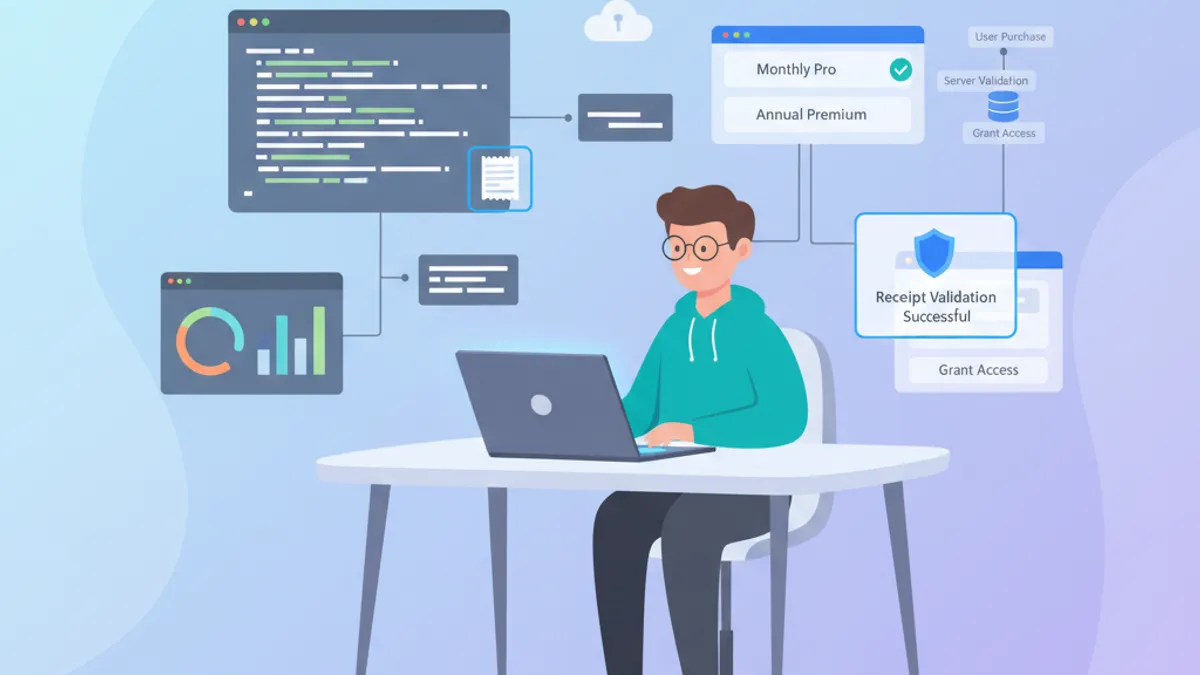
StoreKit 2 represents a fundamental shift in how in-app purchases are handled on iOS. Introduced with iOS 15, this modern framework dramatically simplifies the code required for subscription management and transaction validation. Technical iOS interviews regularly cover this topic to evaluate developers' expertise in app monetization.
StoreKit 2 leverages a native Swift API with async/await, eliminating the need for complex callbacks and client-side receipt validation. Interviewers value candidates who can articulate the fundamental differences from StoreKit 1.
StoreKit 2 Architecture Overview
StoreKit 2 is built on a modern architecture that takes full advantage of Swift Concurrency. Unlike StoreKit 1, all operations are asynchronous and use native Swift types.
Fetching Available Products
The first step involves loading products configured in App Store Connect. StoreKit 2 simplifies this operation with a declarative API.
import StoreKit

actor ProductService {

    // Product identifiers configured in App Store Connect
    private let productIdentifiers: Set<String> = [
        "com.app.subscription.monthly",
        "com.app.subscription.yearly",
        "com.app.premium.lifetime"
    ]

    // Product cache to avoid repeated network calls
    private var cachedProducts: [Product] = []

    func loadProducts() async throws -> [Product] {
        // Return cache if available
        guard cachedProducts.isEmpty else {
            return cachedProducts
        }

        // Asynchronous request to the App Store
        let products = try await Product.products(for: productIdentifiers)
        cachedProducts = products
        return products
    }

    func product(for identifier: String) async throws -> Product? {
        let products = try await loadProducts()
        return products.first { $0.id == identifier }
    }
}
Using an actor ensures thread-safety when managing the product cache.
StoreKit 2 Product Types
StoreKit 2 clearly distinguishes between different product types. Understanding this distinction is essential for interviews.
import StoreKit

extension Product.ProductType {

    var displayName: String {
        switch self {
        case .consumable:
            // Consumable products (credits, lives, etc.)
            return "Consumable"
        case .nonConsumable:
            // Permanent purchases (feature unlock)
            return "Non-Consumable"
        case .autoRenewable:
            // Subscriptions with automatic renewal
            return "Auto-Renewable Subscription"
        case .nonRenewable:
            // Subscriptions without renewal (temporary pass)
            return "Non-Renewable Subscription"
        @unknown default:
            return "Unknown"
        }
    }
}
Auto-renewable subscriptions represent the dominant business model for modern iOS applications.
Handling Purchase Transactions
The purchase process in StoreKit 2 becomes linear thanks to async/await. No more delegates and nested callbacks from StoreKit 1.
Initiating a Purchase
import StoreKit

actor PurchaseManager {

    enum PurchaseError: Error {
        case productNotFound
        case purchaseCancelled
        case purchasePending
        case verificationFailed
        case unknown
    }

    func purchase(_ product: Product) async throws -> Transaction {
        // Initiate purchase with system modal
        let result = try await product.purchase()

        switch result {
        case .success(let verification):
            // Verify the transaction signature
            let transaction = try checkVerification(verification)

            // Mark the transaction as finished
            await transaction.finish()

            return transaction

        case .userCancelled:
            // User cancelled the purchase modal
            throw PurchaseError.purchaseCancelled

        case .pending:
            // Purchase pending (parental approval, etc.)
            throw PurchaseError.purchasePending

        @unknown default:
            throw PurchaseError.unknown
        }
    }

    private func checkVerification<T>(_ result: VerificationResult<T>) throws -> T {
        switch result {
        case .verified(let safe):
            // Transaction signed and verified by the App Store
            return safe
        case .unverified(_, let error):
            // Invalid or corrupted signature
            throw PurchaseError.verificationFailed
        }
    }
}
The finish() method is crucial: it signals to the App Store that content has been delivered to the user.
Never forget to call transaction.finish() after delivering content. An unfinished transaction will be restored on the next app launch, causing unexpected behavior.
Listening for Background Transactions
StoreKit 2 introduces Transaction.updates, an asynchronous stream that emits transactions occurring outside the app (renewals, family sharing purchases, etc.).
import StoreKit

actor TransactionObserver {

    private var updateTask: Task<Void, Never>?

    func startObserving() {
        // Cancel any previous observation
        updateTask?.cancel()

        updateTask = Task(priority: .background) {
            // Infinite stream of transaction updates
            for await result in Transaction.updates {
                do {
                    let transaction = try self.checkVerification(result)

                    // Process the transaction based on its type
                    await self.handleTransaction(transaction)

                    // Always finish the transaction
                    await transaction.finish()
                } catch {
                    // Log the error for debugging
                    print("Transaction verification failed: \(error)")
                }
            }
        }
    }

    func stopObserving() {
        updateTask?.cancel()
        updateTask = nil
    }

    private func handleTransaction(_ transaction: Transaction) async {
        switch transaction.productType {
        case .autoRenewable:
            // Update subscription status
            await updateSubscriptionStatus(transaction)
        case .nonConsumable:
            // Unlock premium feature
            await unlockFeature(transaction.productID)
        default:
            break
        }
    }

    private func checkVerification<T>(_ result: VerificationResult<T>) throws -> T {
        switch result {
        case .verified(let safe):
            return safe
        case .unverified:
            throw PurchaseError.verificationFailed
        }
    }

    private func updateSubscriptionStatus(_ transaction: Transaction) async {
        // Implementation of status update
    }

    private func unlockFeature(_ productID: String) async {
        // Implementation of feature unlock
    }

    enum PurchaseError: Error {
        case verificationFailed
    }
}
Transaction observation should start as soon as the app launches to avoid missing any updates.
Common Interview Questions on StoreKit 2 Subscriptions
iOS interviews often include specific questions about subscription management. Here are the most common ones with detailed answers.
Question 1: How to Check Current Subscription Status?
StoreKit 2 provides direct access to active entitlements via Transaction.currentEntitlements.
import StoreKit

struct SubscriptionStatusChecker {

    struct SubscriptionStatus {
        let isActive: Bool
        let expirationDate: Date?
        let willRenew: Bool
        let productID: String?
    }

    static func checkCurrentStatus() async -> SubscriptionStatus {
        // Retrieve all active transactions
        var latestTransaction: Transaction?

        for await result in Transaction.currentEntitlements {
            if case .verified(let transaction) = result {
                // Filter only subscriptions
                if transaction.productType == .autoRenewable {
                    // Keep the most recent transaction
                    if latestTransaction == nil ||
                       transaction.purchaseDate > latestTransaction!.purchaseDate {
                        latestTransaction = transaction
                    }
                }
            }
        }

        guard let transaction = latestTransaction else {
            return SubscriptionStatus(
                isActive: false,
                expirationDate: nil,
                willRenew: false,
                productID: nil
            )
        }

        // Check if the subscription is still active
        let isActive = transaction.expirationDate ?? Date.distantPast > Date()

        // Retrieve renewal information
        let renewalInfo = await getRenewalInfo(for: transaction.productID)

        return SubscriptionStatus(
            isActive: isActive,
            expirationDate: transaction.expirationDate,
            willRenew: renewalInfo?.willAutoRenew ?? false,
            productID: transaction.productID
        )
    }

    private static func getRenewalInfo(for productID: String) async -> Product.SubscriptionInfo.RenewalInfo? {
        guard let product = try? await Product.products(for: [productID]).first,
              let subscription = product.subscription else {
            return nil
        }

        // Retrieve renewal status
        let status = try? await subscription.status.first
        return status?.renewalInfo
    }
}
This approach provides accurate subscription state without server calls.
Ready to ace your iOS interviews?
Practice with our interactive simulators, flashcards, and technical tests.
Question 2: How to Handle Free Trials and Promotional Offers?
StoreKit 2 simplifies access to offer information. Interviewers often test understanding of different offer types.
import StoreKit

struct OfferManager {

    enum OfferType {
        case freeTrial(duration: String)
        case payAsYouGo(periods: Int, price: Decimal)
        case payUpFront(duration: String, price: Decimal)
        case none
    }

    static func getIntroductoryOffer(for product: Product) -> OfferType {
        guard let subscription = product.subscription,
              let offer = subscription.introductoryOffer else {
            return .none
        }

        switch offer.paymentMode {
        case .freeTrial:
            // Free trial period
            return .freeTrial(duration: formatPeriod(offer.period))

        case .payAsYouGo:
            // Reduced price over multiple periods
            return .payAsYouGo(
                periods: offer.periodCount,
                price: offer.price
            )

        case .payUpFront:
            // Single payment for a period
            return .payUpFront(
                duration: formatPeriod(offer.period),
                price: offer.price
            )

        @unknown default:
            return .none
        }
    }

    static func checkEligibility(for product: Product) async -> Bool {
        // Check if user can benefit from the offer
        guard let subscription = product.subscription else {
            return false
        }

        // isEligibleForIntroOffer indicates if this is a new subscriber
        return await subscription.isEligibleForIntroOffer
    }

    private static func formatPeriod(_ period: Product.SubscriptionPeriod) -> String {
        let value = period.value
        switch period.unit {
        case .day:
            return "\(value) day\(value > 1 ? "s" : "")"
        case .week:
            return "\(value) week\(value > 1 ? "s" : "")"
        case .month:
            return "\(value) month\(value > 1 ? "s" : "")"
        case .year:
            return "\(value) year\(value > 1 ? "s" : "")"
        @unknown default:
            return ""
        }
    }
}
The isEligibleForIntroOffer method is essential to avoid displaying unavailable offers.
Question 3: How to Restore Previous Purchases?
Purchase restoration is a mandatory feature according to App Store guidelines.
import StoreKit

actor RestoreManager {

    struct RestoreResult {
        let restoredProducts: [String]
        let activeSubscriptions: [String]
    }

    func restorePurchases() async throws -> RestoreResult {
        var restoredProducts: [String] = []
        var activeSubscriptions: [String] = []

        // Synchronize with the App Store
        try await AppStore.sync()

        // Iterate through all user transactions
        for await result in Transaction.currentEntitlements {
            guard case .verified(let transaction) = result else {
                continue
            }

            switch transaction.productType {
            case .nonConsumable:
                // Restore permanent purchases
                restoredProducts.append(transaction.productID)

            case .autoRenewable:
                // Check if subscription is active
                if let expiration = transaction.expirationDate,
                   expiration > Date() {
                    activeSubscriptions.append(transaction.productID)
                }

            default:
                // Consumables are not restorable
                break
            }
        }

        return RestoreResult(
            restoredProducts: restoredProducts,
            activeSubscriptions: activeSubscriptions
        )
    }
}
AppStore.sync() forces synchronization with Apple servers, useful after reinstallation.
Server-Side Receipt Validation
Server validation remains recommended for applications with critical subscriptions. StoreKit 2 introduces JWS (JSON Web Signatures) for modern validation.
Extracting Transaction Data for the Server
import StoreKit

struct TransactionPayload: Codable {
    let transactionID: String
    let originalTransactionID: String
    let productID: String
    let purchaseDate: Date
    let expirationDate: Date?
    let jwsRepresentation: String
}

actor ServerValidationService {

    private let apiEndpoint = "https://api.example.com/verify"

    func validateWithServer(_ transaction: Transaction) async throws -> Bool {
        // Create payload for the server
        let payload = TransactionPayload(
            transactionID: String(transaction.id),
            originalTransactionID: String(transaction.originalID),
            productID: transaction.productID,
            purchaseDate: transaction.purchaseDate,
            expirationDate: transaction.expirationDate,
            jwsRepresentation: transaction.jwsRepresentation ?? ""
        )

        // Encode to JSON
        let encoder = JSONEncoder()
        encoder.dateEncodingStrategy = .iso8601
        let jsonData = try encoder.encode(payload)

        // Send to server
        var request = URLRequest(url: URL(string: apiEndpoint)!)
        request.httpMethod = "POST"
        request.httpBody = jsonData
        request.setValue("application/json", forHTTPHeaderField: "Content-Type")

        let (data, response) = try await URLSession.shared.data(for: request)

        guard let httpResponse = response as? HTTPURLResponse,
              httpResponse.statusCode == 200 else {
            return false
        }

        // Decode server response
        let validationResponse = try JSONDecoder().decode(
            ValidationResponse.self,
            from: data
        )

        return validationResponse.isValid
    }
}

struct ValidationResponse: Codable {
    let isValid: Bool
    let subscriptionStatus: String?
}
The jwsRepresentation contains the cryptographic signature verifiable by the server.
Apple now provides the App Store Server API for server-side validation. This modern API replaces the deprecated verifyReceipt endpoint and offers advanced features like server-to-server notifications.
Configuring Server Notifications
Server Notifications V2 enable real-time event reception.
enum NotificationType: String, Codable {
    case subscribed = "SUBSCRIBED"
    case didRenew = "DID_RENEW"
    case didFailToRenew = "DID_FAIL_TO_RENEW"
    case didChangeRenewalStatus = "DID_CHANGE_RENEWAL_STATUS"
    case expired = "EXPIRED"
    case gracePeriodExpired = "GRACE_PERIOD_EXPIRED"
    case offerRedeemed = "OFFER_REDEEMED"
    case priceIncrease = "PRICE_INCREASE"
    case refund = "REFUND"
    case renewalExtended = "RENEWAL_EXTENDED"
    case revoke = "REVOKE"
}

struct ServerNotification: Codable {
    let notificationType: NotificationType
    let subtype: String?
    let data: NotificationData

    struct NotificationData: Codable {
        let bundleId: String
        let environment: String
        let signedTransactionInfo: String
        let signedRenewalInfo: String?
    }
}
These notifications enable keeping subscription state synchronized with the backend.
Error Handling and Edge Cases
Interviews often test understanding of error scenarios and their proper handling.
Common StoreKit 2 Errors
import StoreKit

struct PurchaseErrorHandler {

    enum UserFacingError {
        case networkError
        case paymentFailed
        case notAuthorized
        case productNotAvailable
        case unknown

        var message: String {
            switch self {
            case .networkError:
                return "Connection failed. Please check your internet connection."
            case .paymentFailed:
                return "Payment failed. Please verify your payment information."
            case .notAuthorized:
                return "In-app purchases are disabled on this device."
            case .productNotAvailable:
                return "This product is not currently available."
            case .unknown:
                return "An unexpected error occurred."
            }
        }
    }

    static func handle(_ error: Error) -> UserFacingError {
        // Check if it's a StoreKit error
        if let storeKitError = error as? StoreKitError {
            switch storeKitError {
            case .networkError:
                return .networkError
            case .userCancelled:
                // Don't show error, user cancelled
                return .unknown
            case .notAvailableInStorefront:
                return .productNotAvailable
            case .notEntitled:
                return .notAuthorized
            default:
                return .unknown
            }
        }

        // Purchase errors
        if let purchaseError = error as? Product.PurchaseError {
            switch purchaseError {
            case .invalidQuantity:
                return .unknown
            case .productUnavailable:
                return .productNotAvailable
            case .purchaseNotAllowed:
                return .notAuthorized
            default:
                return .unknown
            }
        }

        return .unknown
    }
}
Clear error handling improves user experience and simplifies debugging.
Offline Mode Support
import StoreKit

actor OfflineCapabilityManager {

    private let userDefaults = UserDefaults.standard
    private let entitlementsKey = "cached_entitlements"

    func cacheCurrentEntitlements() async {
        var entitlements: [String: Date] = [:]

        for await result in Transaction.currentEntitlements {
            if case .verified(let transaction) = result {
                entitlements[transaction.productID] = transaction.expirationDate
            }
        }

        // Save locally
        if let data = try? JSONEncoder().encode(entitlements) {
            userDefaults.set(data, forKey: entitlementsKey)
        }
    }

    func getCachedEntitlements() -> [String: Date] {
        guard let data = userDefaults.data(forKey: entitlementsKey),
              let entitlements = try? JSONDecoder().decode(
                  [String: Date].self,
                  from: data
              ) else {
            return [:]
        }

        // Filter expired entitlements
        let now = Date()
        return entitlements.filter { _, expiration in
            expiration > now
        }
    }

    func hasValidEntitlement(for productID: String) -> Bool {
        let cached = getCachedEntitlements()
        return cached[productID] != nil
    }
}
Local caching maintains access to premium features even without connectivity.
Production Best Practices
Recommended Architecture
import StoreKit
import Combine

@MainActor
final class SubscriptionService: ObservableObject {

    static let shared = SubscriptionService()

    @Published private(set) var products: [Product] = []
    @Published private(set) var purchasedProductIDs: Set<String> = []
    @Published private(set) var subscriptionStatus: SubscriptionStatus = .none

    private var transactionObserver: Task<Void, Never>?

    enum SubscriptionStatus {
        case none
        case active(expirationDate: Date)
        case expired
        case inGracePeriod
    }

    private init() {
        // Start transaction observation
        startTransactionObserver()

        // Load initial state
        Task {
            await loadProducts()
            await updateSubscriptionStatus()
        }
    }

    private func startTransactionObserver() {
        transactionObserver = Task.detached(priority: .background) {
            for await result in Transaction.updates {
                if case .verified(let transaction) = result {
                    await transaction.finish()
                    await self.updateSubscriptionStatus()
                }
            }
        }
    }

    func loadProducts() async {
        do {
            let productIDs = [
                "com.app.subscription.monthly",
                "com.app.subscription.yearly"
            ]
            products = try await Product.products(for: productIDs)
        } catch {
            print("Failed to load products: \(error)")
        }
    }

    func purchase(_ product: Product) async throws {
        let result = try await product.purchase()

        switch result {
        case .success(let verification):
            if case .verified(let transaction) = verification {
                await transaction.finish()
                await updateSubscriptionStatus()
            }
        case .userCancelled:
            break
        case .pending:
            break
        @unknown default:
            break
        }
    }

    func updateSubscriptionStatus() async {
        var purchasedIDs: Set<String> = []
        var latestSubscription: Transaction?

        for await result in Transaction.currentEntitlements {
            if case .verified(let transaction) = result {
                purchasedIDs.insert(transaction.productID)

                if transaction.productType == .autoRenewable {
                    if latestSubscription == nil ||
                       transaction.purchaseDate > latestSubscription!.purchaseDate {
                        latestSubscription = transaction
                    }
                }
            }
        }

        purchasedProductIDs = purchasedIDs

        if let subscription = latestSubscription,
           let expiration = subscription.expirationDate {
            if expiration > Date() {
                subscriptionStatus = .active(expirationDate: expiration)
            } else {
                subscriptionStatus = .expired
            }
        } else {
            subscriptionStatus = .none
        }
    }

    deinit {
        transactionObserver?.cancel()
    }
}
This centralized architecture simplifies purchase state management throughout the application.
Conclusion
StoreKit 2 transforms in-app purchase management into a modern and secure development experience. Key points to remember for an interview:
✅ Native async/await API: no more complex delegates and callbacks from StoreKit 1
✅ Automatic verification: VerificationResult handles cryptographic transaction validation
✅ Transaction.updates: asynchronous stream for background transactions
✅ Transaction.currentEntitlements: direct access to user's active entitlements
✅ Promotional offers: isEligibleForIntroOffer to check eligibility
✅ Server validation: JWS and App Store Server API for enhanced security
✅ transaction.finish(): mandatory after content delivery
✅ Offline handling: local entitlement caching for seamless experience
Start practicing!
Test your knowledge with our interview simulators and technical tests.
Can you spot the bug in iOS?
One real snippet, one hidden bug, one attempt a day. No account needed to try.

Written by
Anthony Fillion-MailletFounder of SharpSkill
Full-stack developer for over 10 years. Runs SharpSkill and answers for everything published here.
Updated on March 31, 2026
Tags
Share
Related articles
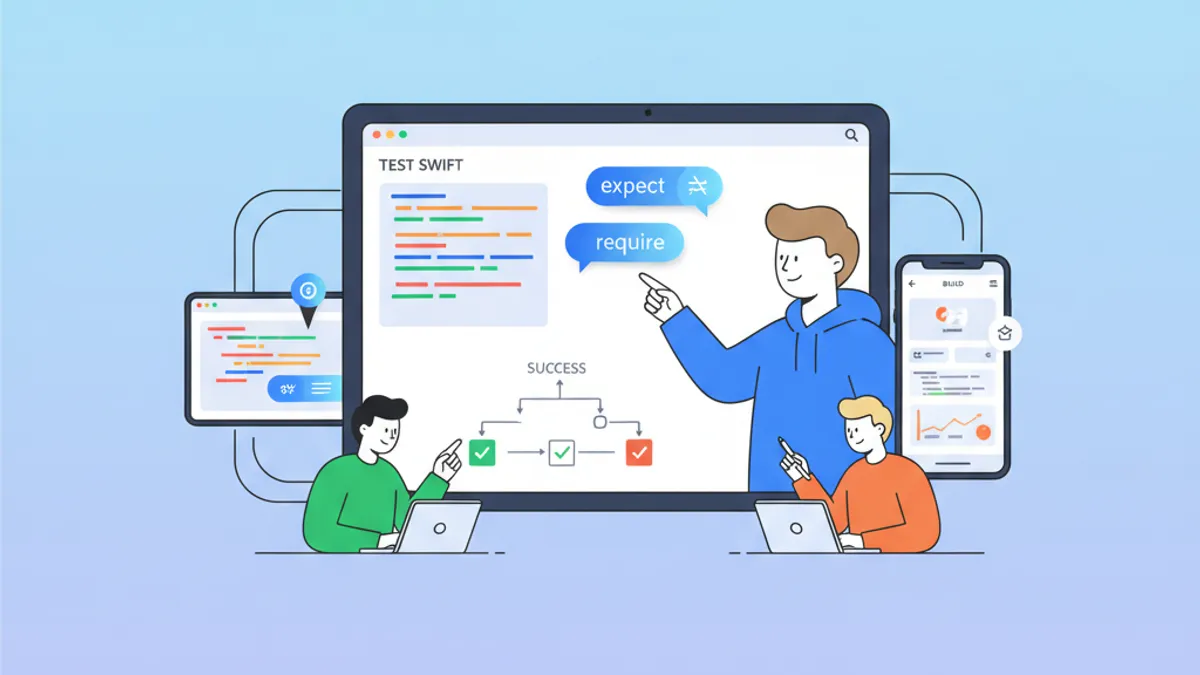
Swift Testing Framework Interview 2026: #expect and #require Macros vs XCTest
Master the new Swift Testing Framework for iOS interviews: #expect and #require macros, XCTest migration, advanced patterns, and common pitfalls.
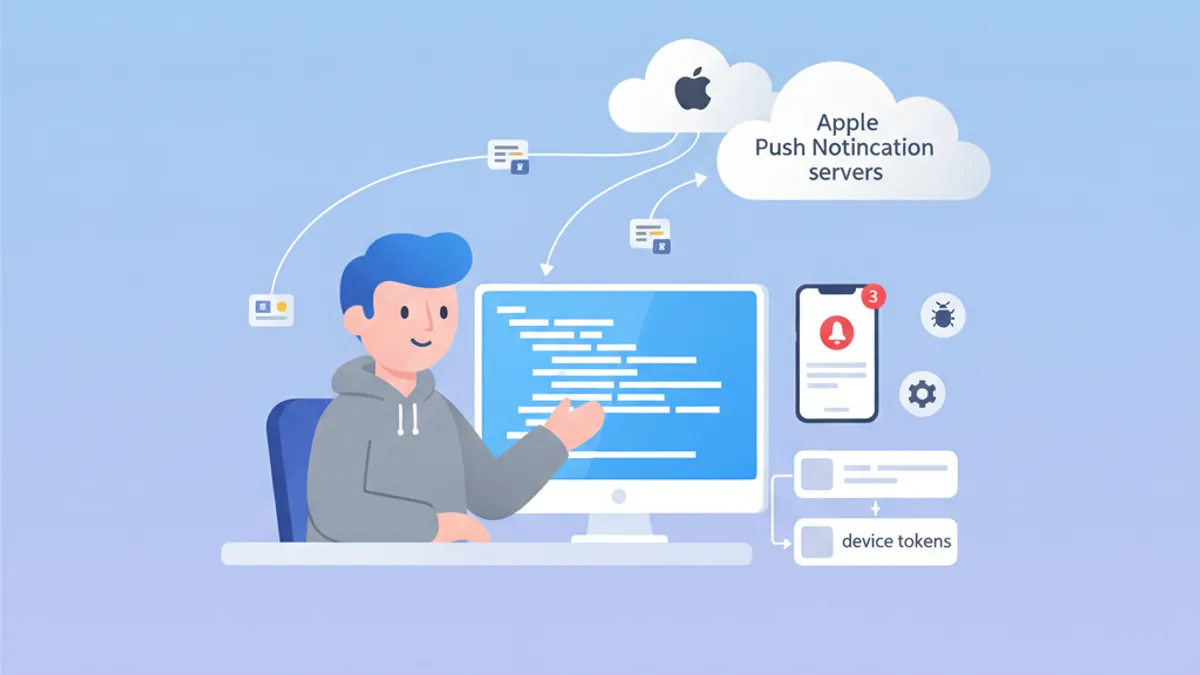
iOS Push Notifications Interview in 2026: APNs, Tokens and Troubleshooting
Prepare for iOS interviews with this comprehensive guide on Push Notifications, APNs, token management and troubleshooting. Common questions with detailed answers.

iOS Senior Interview 2026: Architecture and Design Patterns Questions
Prepare for iOS senior interviews with key questions on MVVM, VIPER, Clean Architecture and design patterns. Complete guide with Swift code examples.