Clean Code Architecture C#: Hướng Dẫn Toàn Diện và Câu Hỏi Phỏng Vấn 2026
Tìm hiểu Clean Code Architecture trong C# với nguyên tắc SOLID, Repository Pattern, Dependency Injection và các câu hỏi phỏng vấn thường gặp cho lập trình viên .NET.
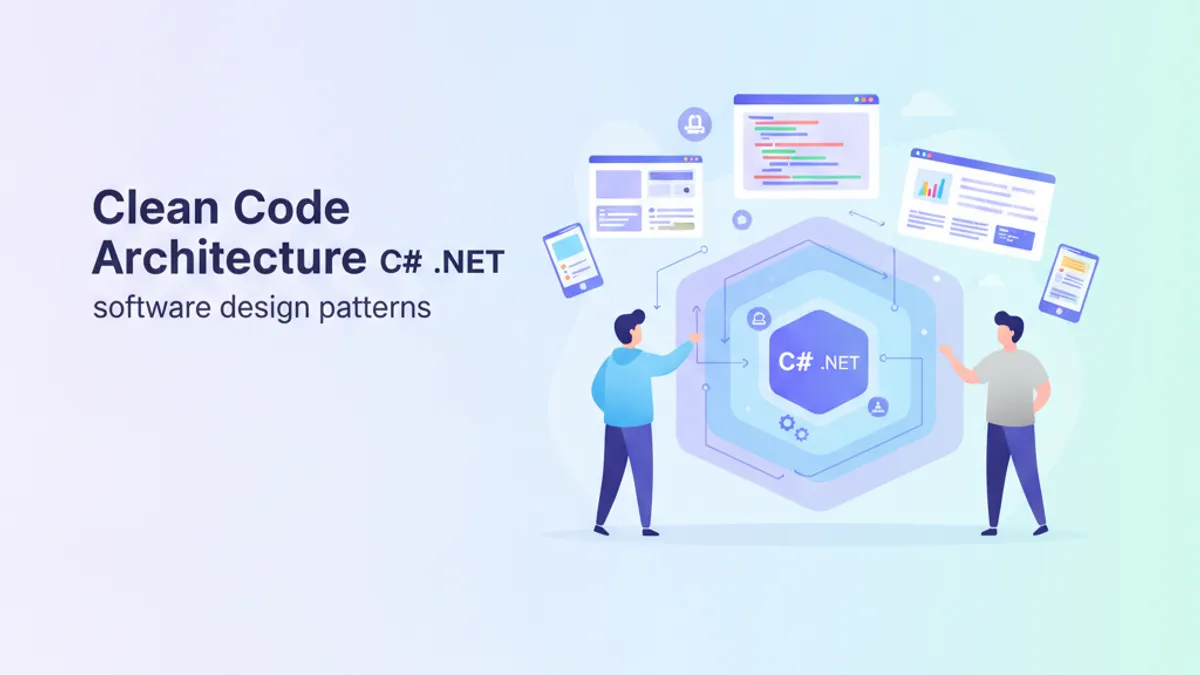
Clean Code Architecture trong C# kết hợp các nguyên tắc Clean Code của Robert C. Martin với mẫu Clean Architecture để tạo ra các ứng dụng .NET dễ bảo trì, có thể kiểm thử và mở rộng quy mô. Các buổi phỏng vấn kỹ thuật ngày càng tập trung vào những khái niệm này vì chúng cho thấy cách ứng viên suy nghĩ về thiết kế phần mềm ngoài việc chỉ làm cho code hoạt động.
Khi được hỏi về Clean Architecture, nhà tuyển dụng mong đợi ứng viên giải thích quy tắc phụ thuộc: các phụ thuộc mã nguồn hướng vào trong, về phía các chính sách cấp cao hơn. Tầng Domain không biết gì về Infrastructure, không phải ngược lại.
Nguyên Tắc SOLID Là Nền Tảng Của Clean Code Trong C#
Các nguyên tắc SOLID tạo thành xương sống của Clean Code trong C#. Tài liệu chính thức của Microsoft về .NET fundamentals khuyến nghị các mẫu này cho ứng dụng doanh nghiệp. Mỗi nguyên tắc giải quyết một vấn đề bảo trì cụ thể.
Single Responsibility Principle (SRP): Một class chỉ có một lý do để thay đổi. OrderService bên dưới chỉ xử lý việc tạo đơn hàng, ủy quyền việc lưu trữ và thông báo cho các thành phần riêng biệt.
public class OrderService
{
    private readonly IOrderRepository _orderRepository;
    private readonly INotificationService _notificationService;

    public OrderService(
        IOrderRepository orderRepository,
        INotificationService notificationService)
    {
        _orderRepository = orderRepository;
        _notificationService = notificationService;
    }

    public async Task<Order> CreateOrderAsync(CreateOrderRequest request)
    {
        // Validates and creates the domain entity
        var order = Order.Create(request.CustomerId, request.Items);

        // Persists through the repository abstraction
        await _orderRepository.AddAsync(order);

        // Notifies through a separate service
        await _notificationService.SendOrderConfirmationAsync(order);

        return order;
    }
}
Open/Closed Principle (OCP): Các class mở để mở rộng nhưng đóng để sửa đổi. Phương thức thanh toán mới yêu cầu class mới, không phải thay đổi class hiện có.
public interface IPaymentProcessor
{
    string PaymentMethod { get; }
    Task<PaymentResult> ProcessAsync(Payment payment);
}

// StripePaymentProcessor.cs
public class StripePaymentProcessor : IPaymentProcessor
{
    public string PaymentMethod => "Stripe";

    public async Task<PaymentResult> ProcessAsync(Payment payment)
    {
        // Stripe-specific implementation
        var charge = await _stripeClient.CreateChargeAsync(payment.Amount);
        return new PaymentResult(charge.Id, charge.Status == "succeeded");
    }
}

// PaymentService.cs
public class PaymentService
{
    private readonly IEnumerable<IPaymentProcessor> _processors;

    public PaymentService(IEnumerable<IPaymentProcessor> processors)
    {
        _processors = processors;
    }

    public async Task<PaymentResult> ProcessPaymentAsync(
        Payment payment, string method)
    {
        var processor = _processors
            .FirstOrDefault(p => p.PaymentMethod == method)
            ?? throw new NotSupportedException($"Payment method {method} not supported");

        return await processor.ProcessAsync(payment);
    }
}
Việc thêm hỗ trợ PayPal có nghĩa là thêm class PayPalPaymentProcessor. PaymentService vẫn không thay đổi.
Bốn Tầng Của Clean Architecture Trong .NET
Clean Architecture tổ chức code thành các tầng đồng tâm. Repository Clean Architecture của Jason Taylor cung cấp template .NET được áp dụng rộng rãi. Mỗi tầng có trách nhiệm rõ ràng và các phụ thuộc chảy vào trong.
| Tầng | Trách Nhiệm | Phụ Thuộc |
|---|---|---|
| Domain | Entity, value object, domain event | Không có |
| Application | Use case, DTO, interface | Domain |
| Infrastructure | Database, API bên ngoài, file system | Application, Domain |
| Presentation | Controller, view, API endpoint | Application |
public class Customer
{
    public Guid Id { get; private set; }
    public string Email { get; private set; }
    public CustomerStatus Status { get; private set; }

    private Customer() { } // EF Core constructor

    public static Customer Create(string email)
    {
        if (string.IsNullOrWhiteSpace(email))
            throw new DomainException("Email cannot be empty");

        return new Customer
        {
            Id = Guid.NewGuid(),
            Email = email.ToLowerInvariant(),
            Status = CustomerStatus.Active
        };
    }

    public void Deactivate()
    {
        if (Status == CustomerStatus.Inactive)
            throw new DomainException("Customer already inactive");

        Status = CustomerStatus.Inactive;
    }
}
Entity Domain đóng gói các quy tắc nghiệp vụ. Nó tự xác thực các bất biến của mình và hiển thị hành vi thông qua các method, không phải setter.
Private setter ngăn code bên ngoài đặt entity vào trạng thái không hợp lệ. Method Deactivate() thực thi quy tắc rằng khách hàng đã không hoạt động không thể bị vô hiệu hóa lần nữa. Mẫu này xuất hiện thường xuyên trong các triển khai Domain-Driven Design và Clean Architecture.
Các Mẫu Dependency Injection Cho Clean Architecture
Dependency Injection (DI) cho phép đảo ngược phụ thuộc mà Clean Architecture yêu cầu. .NET 10 bao gồm container DI tích hợp hỗ trợ constructor injection, scoped lifetime và keyed service được giới thiệu trong .NET 8.
var builder = WebApplication.CreateBuilder(args);

// Domain services - typically transient
builder.Services.AddTransient<IOrderValidator, OrderValidator>();

// Application services - scoped per request
builder.Services.AddScoped<IOrderService, OrderService>();

// Infrastructure - scoped to share DbContext
builder.Services.AddScoped<IOrderRepository, OrderRepository>();
builder.Services.AddScoped<IUnitOfWork, UnitOfWork>();

// External clients - singleton with HttpClient pooling
builder.Services.AddHttpClient<IPaymentGateway, StripeGateway>(client =>
{
    client.BaseAddress = new Uri("https://api.stripe.com/v1/");
});

// Keyed services for multiple implementations (.NET 8+)
builder.Services.AddKeyedScoped<INotificationService, EmailNotificationService>("email");
builder.Services.AddKeyedScoped<INotificationService, SmsNotificationService>("sms");

var app = builder.Build();
Tầng Application định nghĩa các interface. Tầng Infrastructure triển khai chúng. Tầng Presentation (hoặc composition root) kết nối mọi thứ với nhau.
Repository Pattern Với Entity Framework Core 9
Repository Pattern trừu tượng hóa việc truy cập dữ liệu đằng sau các interface tập trung vào domain. EF Core 9, được phát hành cùng với .NET 10, cung cấp ORM cơ bản.
public interface IOrderRepository
{
    Task<Order?> GetByIdAsync(Guid id, CancellationToken ct = default);
    Task<IReadOnlyList<Order>> GetByCustomerAsync(Guid customerId, CancellationToken ct = default);
    Task AddAsync(Order order, CancellationToken ct = default);
    void Update(Order order);
}

// Infrastructure/Repositories/OrderRepository.cs
public class OrderRepository : IOrderRepository
{
    private readonly ApplicationDbContext _context;

    public OrderRepository(ApplicationDbContext context)
    {
        _context = context;
    }

    public async Task<Order?> GetByIdAsync(Guid id, CancellationToken ct = default)
    {
        return await _context.Orders
            .Include(o => o.Items)
            .FirstOrDefaultAsync(o => o.Id == id, ct);
    }

    public async Task<IReadOnlyList<Order>> GetByCustomerAsync(
        Guid customerId, CancellationToken ct = default)
    {
        return await _context.Orders
            .Where(o => o.CustomerId == customerId)
            .OrderByDescending(o => o.CreatedAt)
            .ToListAsync(ct);
    }

    public async Task AddAsync(Order order, CancellationToken ct = default)
    {
        await _context.Orders.AddAsync(order, ct);
    }

    public void Update(Order order)
    {
        _context.Orders.Update(order);
    }
}
Repository trả về các entity domain, không phải DTO. Việc ánh xạ sang DTO xảy ra ở tầng Application, giữ cho Domain tinh khiết.
Sẵn sàng chinh phục phỏng vấn .NET?
Luyện tập với mô phỏng tương tác, flashcards và bài kiểm tra kỹ thuật.
Kiểm Thử Đơn Vị Các Thành Phần Clean Architecture
Clean Architecture làm cho việc kiểm thử trở nên đơn giản vì các phụ thuộc được tiêm qua interface. xUnit và NSubstitute cung cấp framework kiểm thử và thư viện mocking cho .NET.
public class OrderServiceTests
{
    private readonly IOrderRepository _orderRepository;
    private readonly INotificationService _notificationService;
    private readonly OrderService _sut;

    public OrderServiceTests()
    {
        _orderRepository = Substitute.For<IOrderRepository>();
        _notificationService = Substitute.For<INotificationService>();
        _sut = new OrderService(_orderRepository, _notificationService);
    }

    [Fact]
    public async Task CreateOrderAsync_ValidRequest_PersistsAndNotifies()
    {
        // Arrange
        var request = new CreateOrderRequest(
            CustomerId: Guid.NewGuid(),
            Items: new[] { new OrderItemDto("SKU-001", 2, 29.99m) });

        // Act
        var order = await _sut.CreateOrderAsync(request);

        // Assert
        await _orderRepository.Received(1).AddAsync(Arg.Any<Order>());
        await _notificationService.Received(1)
            .SendOrderConfirmationAsync(Arg.Is<Order>(o => o.Id == order.Id));
    }

    [Fact]
    public async Task CreateOrderAsync_EmptyItems_ThrowsDomainException()
    {
        // Arrange
        var request = new CreateOrderRequest(
            CustomerId: Guid.NewGuid(),
            Items: Array.Empty<OrderItemDto>());

        // Act & Assert
        await Assert.ThrowsAsync<DomainException>(
            () => _sut.CreateOrderAsync(request));
    }
}
Các test xác minh hành vi, không phải triển khai. _sut (system under test) tương tác với các mock. Các assertion kiểm tra rằng các method đúng được gọi với các đối số đúng.
Câu Hỏi Phỏng Vấn Về Clean Architecture C#
Các buổi phỏng vấn kỹ thuật thăm dò sự hiểu biết về Clean Architecture ở nhiều cấp độ. Những câu hỏi này xuất hiện trong các buổi phỏng vấn .NET cấp cao.
Ứng viên thường nhầm lẫn Clean Architecture với kiến trúc N-tier. Sự khác biệt chính: trong Clean Architecture, các phụ thuộc hướng vào trong về phía Domain. Trong N-tier, mỗi tầng phụ thuộc vào tầng bên dưới nó, làm cho Domain phụ thuộc vào Infrastructure.
H: Clean Architecture khác với kiến trúc phân tầng truyền thống như thế nào?
Kiến trúc phân tầng truyền thống có mỗi tầng phụ thuộc vào tầng bên dưới: Presentation phụ thuộc vào Business Logic, phụ thuộc vào Data Access. Clean Architecture đảo ngược điều này: Domain không có phụ thuộc, Application phụ thuộc vào Domain, và Infrastructure phụ thuộc vào cả hai. Sự đảo ngược này có nghĩa là công nghệ database có thể thay đổi mà không chạm vào quy tắc nghiệp vụ.
H: Khi nào không nên sử dụng Clean Architecture?
Clean Architecture thêm sự gián tiếp. Đối với các ứng dụng nặng CRUD mà không có quy tắc nghiệp vụ phức tạp, chi phí vượt quá lợi ích. Một API đơn giản proxy trực tiếp các bảng database không cần bốn tầng. Giá trị xuất hiện khi độ phức tạp của logic nghiệp vụ biện minh cho sự phân tách.
H: Làm thế nào để xử lý các cross-cutting concern như logging và caching?
Hai mẫu hoạt động tốt: decorator pattern và middleware. Caching decorator bọc interface repository, triển khai cùng interface trong khi thêm logic cache. Logging thường sử dụng middleware hoặc DI interceptor bọc các lời gọi service mà không làm ô nhiễm logic nghiệp vụ.
public class CachingOrderRepository : IOrderRepository
{
    private readonly IOrderRepository _inner;
    private readonly IDistributedCache _cache;

    public CachingOrderRepository(
        IOrderRepository inner,
        IDistributedCache cache)
    {
        _inner = inner;
        _cache = cache;
    }

    public async Task<Order?> GetByIdAsync(Guid id, CancellationToken ct = default)
    {
        var cacheKey = $"order:{id}";
        var cached = await _cache.GetStringAsync(cacheKey, ct);

        if (cached is not null)
            return JsonSerializer.Deserialize<Order>(cached);

        var order = await _inner.GetByIdAsync(id, ct);

        if (order is not null)
        {
            await _cache.SetStringAsync(
                cacheKey,
                JsonSerializer.Serialize(order),
                new DistributedCacheEntryOptions
                {
                    AbsoluteExpirationRelativeToNow = TimeSpan.FromMinutes(5)
                },
                ct);
        }

        return order;
    }

    // Other methods delegate to _inner
}
H: Cấu trúc validation trong Clean Architecture như thế nào?
Validation xảy ra ở hai cấp độ. Domain validation (bất biến) thuộc về entity: một Order không thể có không item. Application validation (input validation) thuộc về command handler hoặc validator: request phải bao gồm ID khách hàng hợp lệ. FluentValidation tích hợp tốt cho input validation, trong khi domain validation vẫn ở trong constructor và method của entity.
Tổ Chức Code Và Quy Ước Đặt Tên
Cấu trúc dự án truyền đạt kiến trúc. Template Clean Architecture tiêu chuẩn tổ chức các dự án theo tầng.
src/
├── MyApp.Domain/
│   ├── Entities/
│   ├── ValueObjects/
│   ├── Events/
│   └── Exceptions/
├── MyApp.Application/
│   ├── Common/
│   │   ├── Interfaces/
│   │   └── Behaviors/
│   ├── Orders/
│   │   ├── Commands/
│   │   ├── Queries/
│   │   └── EventHandlers/
│   └── Customers/
├── MyApp.Infrastructure/
│   ├── Persistence/
│   ├── Services/
│   └── Configuration/
└── MyApp.WebApi/
    ├── Controllers/
    ├── Filters/
    └── Middleware/
Các vertical slice (Orders, Customers) nhóm các use case liên quan. Tổ chức này mở rộng quy mô tốt hơn các horizontal slice (Commands, Queries) khi ứng dụng phát triển.
Cân Nhắc Hiệu Suất Trong Clean Architecture
Trừu tượng hóa có chi phí. Mỗi lời gọi interface thêm sự gián tiếp. Các thực hành này giảm thiểu overhead trong khi duy trì khả năng kiểm thử.
Sử dụng record cho DTO: Record tạo ra các triển khai Equals và GetHashCode hiệu quả. Chúng là immutable theo mặc định, ngăn chặn mutation không chủ ý.
public record OrderDto(
    Guid Id,
    Guid CustomerId,
    IReadOnlyList<OrderItemDto> Items,
    decimal Total,
    DateTime CreatedAt);

public record OrderItemDto(
    string Sku,
    int Quantity,
    decimal UnitPrice);
Tránh over-abstraction: Không phải mọi class đều cần interface. Trừu tượng hóa các phụ thuộc bên ngoài (database, HTTP client, file system). Các domain service nội bộ chỉ có một triển khai hiếm khi cần interface.
Profile trước khi tối ưu hóa: Overhead của các tầng Clean Architecture thường không đáng kể so với các thao tác I/O. Một truy vấn database mất 50ms vượt xa các micro giây dành cho method dispatch.
Áp Dụng Nguyên Tắc Clean Code Cho Các Method C#
Clean Code tập trung vào khả năng đọc ở cấp method và class. Các thực hành này áp dụng bất kể mẫu kiến trúc nào.
Method làm một việc: Một method có tên ProcessOrderAndSendEmail vi phạm SRP. Tách nó thành ProcessOrder và SendOrderConfirmation.
Tên có ý nghĩa: CalculateOrderTotal truyền đạt ý định. DoCalculation thì không. Tên biến tuân theo quy tắc tương tự: customerOrders thay vì list.
Method nhỏ: Nếu một method vượt quá 20 dòng, nó có thể làm quá nhiều. Trích xuất các helper method với tên mô tả.
// Before: Long method doing multiple things
public decimal CalculateInvoiceTotal(Invoice invoice)
{
    decimal subtotal = 0;
    foreach (var item in invoice.Items)
    {
        subtotal += item.Quantity * item.UnitPrice;
    }

    decimal discount = 0;
    if (invoice.Customer.IsPreferred)
    {
        discount = subtotal * 0.1m;
    }

    decimal tax = (subtotal - discount) * 0.2m;

    return subtotal - discount + tax;
}

// After: Small methods with single responsibilities
public decimal CalculateInvoiceTotal(Invoice invoice)
{
    var subtotal = CalculateSubtotal(invoice.Items);
    var discount = CalculateDiscount(subtotal, invoice.Customer);
    var tax = CalculateTax(subtotal - discount);

    return subtotal - discount + tax;
}

private decimal CalculateSubtotal(IEnumerable<InvoiceItem> items)
    => items.Sum(item => item.Quantity * item.UnitPrice);

private decimal CalculateDiscount(decimal subtotal, Customer customer)
    => customer.IsPreferred ? subtotal * 0.1m : 0;

private decimal CalculateTax(decimal taxableAmount)
    => taxableAmount * 0.2m;
Phiên bản refactor đọc như một bản tóm tắt của logic nghiệp vụ. Mỗi helper method có thể được kiểm thử độc lập.
Bắt đầu luyện tập!
Kiểm tra kiến thức với mô phỏng phỏng vấn và bài kiểm tra kỹ thuật.
Những Điểm Chính Về Clean Code Architecture Trong C#
- Quy tắc phụ thuộc: các phụ thuộc code hướng vào trong, từ Infrastructure về phía Domain, không bao giờ ra ngoài
- Các nguyên tắc SOLID hướng dẫn thiết kế class: single responsibility, open for extension, Liskov substitution, interface segregation, dependency inversion
- Bốn tầng phân tách các concern: Domain (entity), Application (use case), Infrastructure (hệ thống bên ngoài), Presentation (API/UI)
- Dependency injection kết nối các tầng tại composition root, thường là trong
Program.cs - Repository pattern trừu tượng hóa việc truy cập dữ liệu đằng sau các interface tập trung vào domain trả về entity, không phải DTO
- Unit test xác minh hành vi bằng cách mocking interface, xác nhận rằng các method đúng nhận các đối số đúng
- Clean Code ở cấp method: method nhỏ, tên có ý nghĩa, single responsibility
- Chi phí hiệu suất của trừu tượng hóa thường không đáng kể so với các thao tác I/O; profile trước khi tối ưu hóa
- Các câu hỏi phỏng vấn thăm dò sự hiểu biết về quy tắc phụ thuộc, các đánh đổi, và các mẫu thực tế như decorator cho cross-cutting concern
Bạn có tìm ra lỗi trong .NET không?
Một đoạn mã thật, một lỗi ẩn, mỗi ngày một lượt. Không cần tài khoản để thử.

Viết bởi
Anthony Fillion-MailletNgười sáng lập SharpSkill
Lập trình viên fullstack hơn 10 năm. Anh điều hành SharpSkill và chịu trách nhiệm về mọi nội dung đăng tại đây.
Cập nhật ngày 24 tháng 8, 2026
Thẻ
Chia sẻ
Bài viết liên quan
Entity Framework Core: Tối Ưu Hiệu Năng và Các Phương Pháp Tốt Nhất Năm 2026
Nắm vững tối ưu hiệu năng EF Core 10 với AsNoTracking, compiled queries, split queries, batch operations, và toán tử LeftJoin mới. Ví dụ C# thực tế cho ứng dụng .NET 10 trong môi trường production.
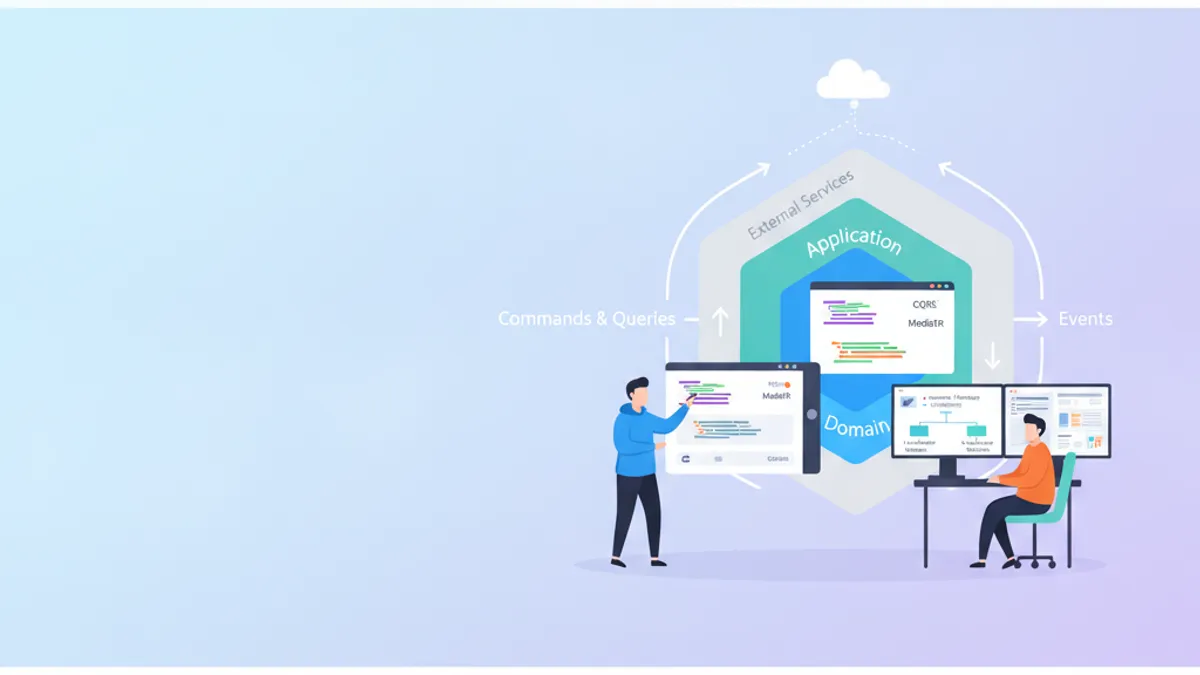
Clean Architecture .NET 2026: CQRS, MediatR và Câu Hỏi Phỏng Vấn Developer
Hướng dẫn toàn diện về Clean Architecture trong .NET với CQRS và MediatR 14. Tìm hiểu các mẫu kiến trúc phân lớp, pipeline behaviors và chuẩn bị phỏng vấn senior developer.

.NET 10 năm 2026: Tính năng mới, Native AOT và C# 14 cho chuẩn bị phỏng vấn
.NET 10 ra mắt với tư cách phiên bản hỗ trợ dài hạn cùng các cải tiến Native AOT, extension members C# 14, từ khóa field và file-based apps. Hướng dẫn đầy đủ về tính năng mới, cải thiện hiệu suất và kiến thức phỏng vấn cho lập trình viên .NET năm 2026.