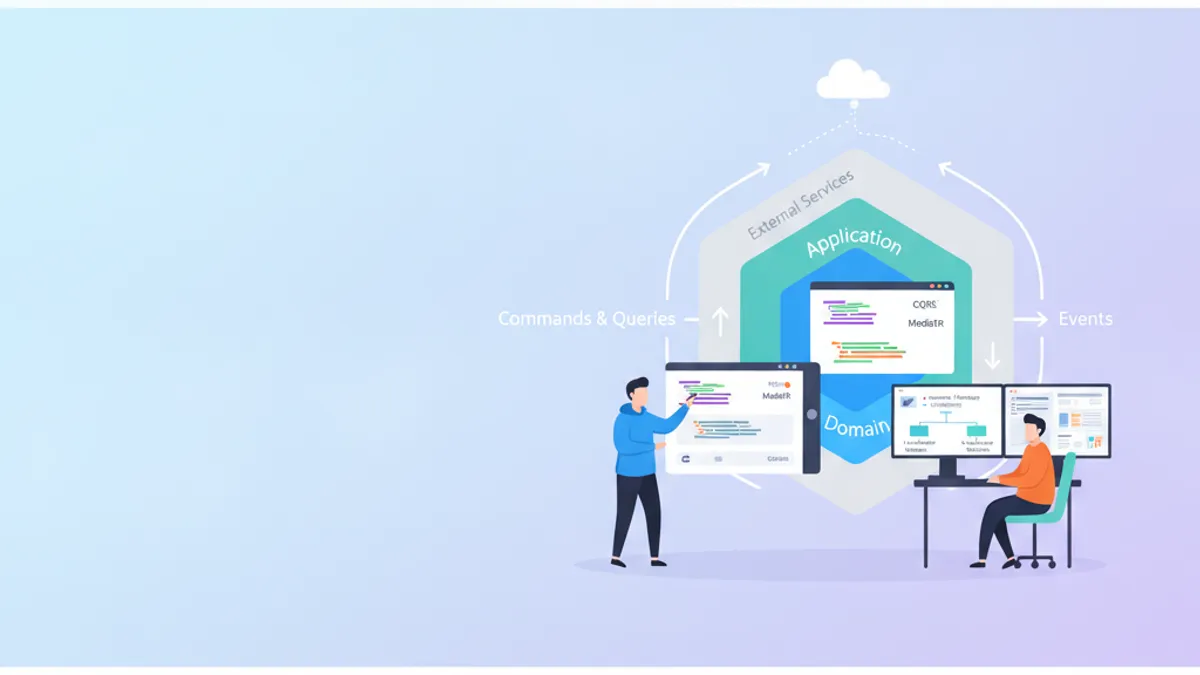
Clean Architecture .NET en 2026 : CQRS, MediatR et Questions d'Entretien Développeur
Clean Architecture en .NET avec CQRS et MediatR 14. Maîtrisez les patterns en couches, les pipeline behaviors et préparez les entretiens développeur senior.
Plateforme de développement complète avec C# comme langage moderne et ASP.NET Core pour créer des APIs REST, microservices et applications web haute performance. Architecture cross-platform avec Entity Framework Core, dependency injection native et écosystème riche pour applications enterprise-grade.
C# moderne avec async/await, LINQ, pattern matching, records et nullable reference types
ASP.NET Core MVC et Minimal APIs pour endpoints REST performants
Entity Framework Core pour ORM avec migrations, LINQ to SQL et change tracking
Dependency Injection native avec service lifetime (Singleton, Scoped, Transient)
Middleware pipeline pour authentification, logging, CORS et error handling
Authentication & Authorization avec Identity, JWT Bearer, OAuth2 et OpenID Connect
SignalR pour communication temps réel (WebSockets, Server-Sent Events)
Testing complet (xUnit, NUnit, Moq, integration tests avec WebApplicationFactory)
Performance exceptionnelle avec Span<T>, Memory<T>, System.Text.Json et compilation AOT
Cross-platform avec .NET runtime (Windows, Linux, macOS, containers Docker)
Les concepts les plus importants pour comprendre cette techno et réussir tes entretiens
C# : types valeur/référence, boxing/unboxing, async/await, Task, ValueTask
LINQ : query syntax, method syntax, deferred execution, IEnumerable vs IQueryable
ASP.NET Core : Program.cs, Startup, middleware pipeline, hosting model
Controllers et Minimal APIs : routing, model binding, action results
Dependency Injection : service registration, lifetimes (Singleton, Scoped, Transient)
Entity Framework Core : DbContext, DbSet, migrations, relationships, lazy/eager loading
LINQ to Entities : Include, ThenInclude, AsNoTracking, projections, raw SQL
Authentication : ASP.NET Core Identity, JWT tokens, claims, policies, roles
Authorization : [Authorize], policy-based, resource-based, custom requirements
Middleware : built-in (UseRouting, UseAuthentication), custom middleware
Configuration : appsettings.json, environment variables, Options pattern, IConfiguration
Error handling : exception filters, middleware, ProblemDetails, global handlers
Validation : Data Annotations, FluentValidation, model state, custom validators
Testing : unit tests (xUnit, NUnit), integration tests, mocking (Moq, NSubstitute)
SignalR : hubs, strongly-typed hubs, groups, connection lifecycle
Performance : async best practices, Span<T>, Memory<T>, object pooling, caching
API versioning, Swagger/OpenAPI, rate limiting, health checks
Logging (ILogger, Serilog), monitoring, Docker, deployment (Azure, AWS, on-premise)
Un extrait par jour. Trouve le bug, ou prouve qu'il n'y en a pas.
CDI et freelance, avec pays, remote et salaire quand il est publié. Mises à jour tous les jours, réservées aux abonnés.
Découvre nos derniers articles et guides sur .NET
Clean Architecture en .NET avec CQRS et MediatR 14. Maîtrisez les patterns en couches, les pipeline behaviors et préparez les entretiens développeur senior.
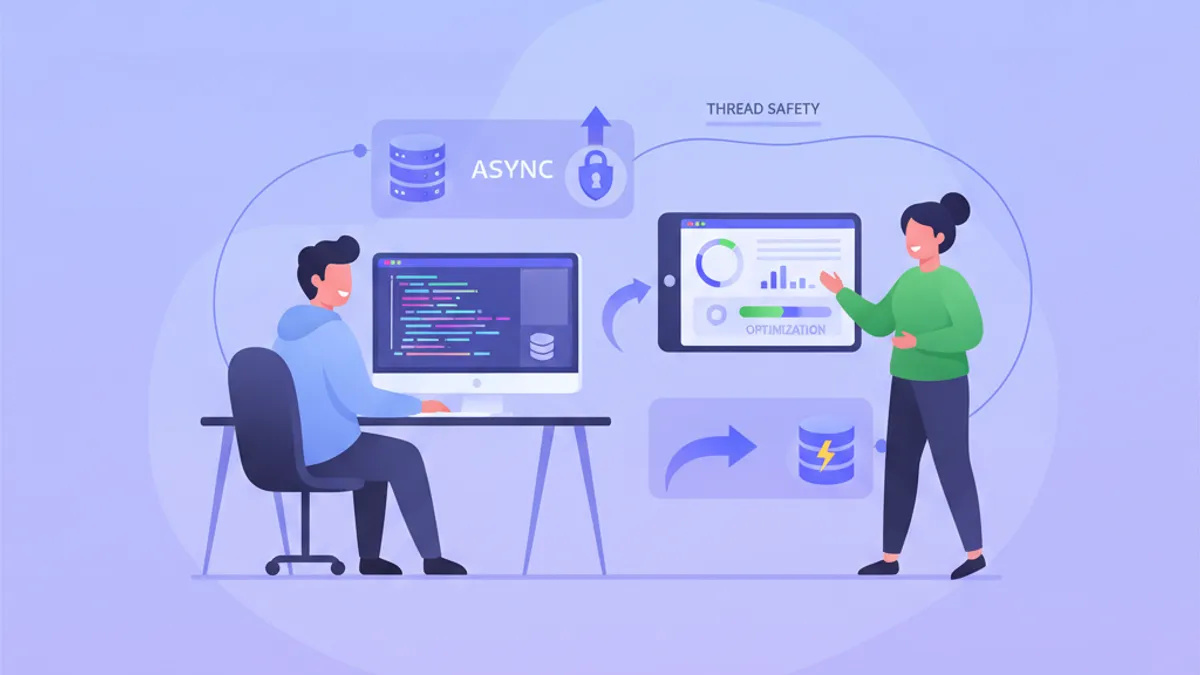
Maîtrisez la gestion de la durée de vie de DbContext dans ASP.NET Core. Apprenez quand utiliser scoped vs transient, comment gérer les opérations async en toute sécurité et optimiser les performances avec le pooling de DbContext.
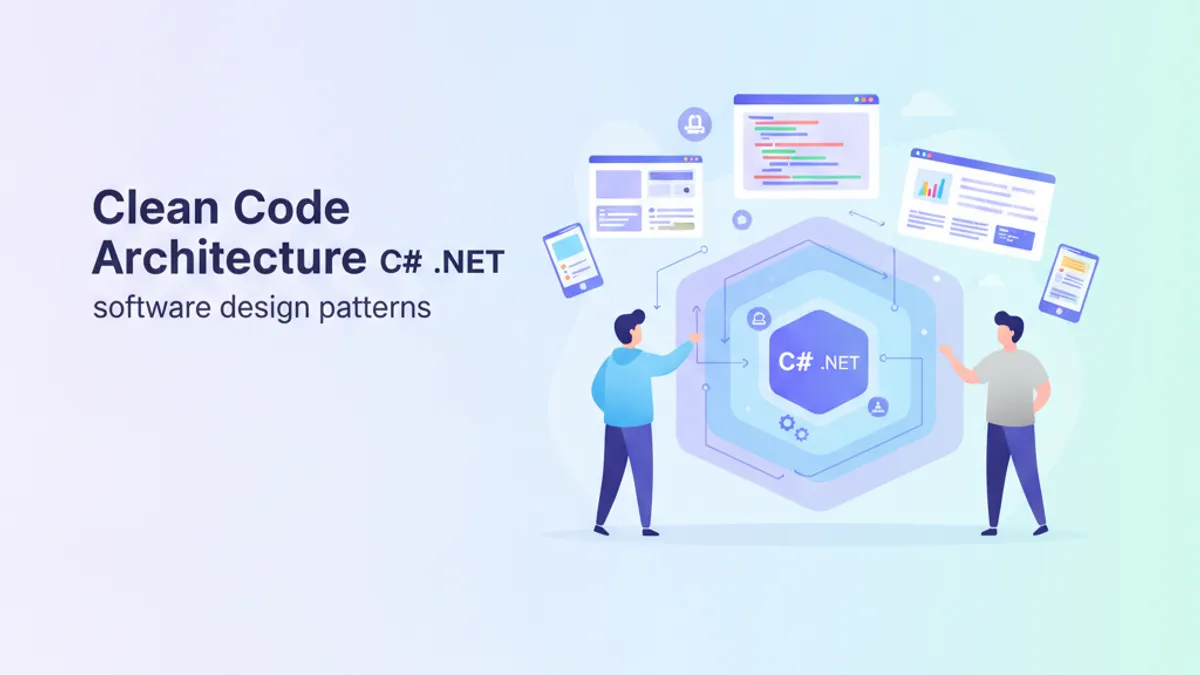
Maîtrisez les principes Clean Code et Clean Architecture en C# pour créer des applications .NET maintenables et testables. Préparez vos entretiens techniques avec des exemples pratiques.